
Flow Measurement Equipment Price Trends in 2026


As budgeting cycles tighten and capital planning becomes more data-driven, understanding flow measurement equipment price trends in 2026 is critical for financial decision-makers. From raw material costs and technology upgrades to compliance demands and supplier strategies, the pricing of flow measurement equipment can directly influence procurement efficiency, project ROI, and long-term operating costs across industrial and automation-focused environments.
Why are flow measurement equipment prices changing in 2026?
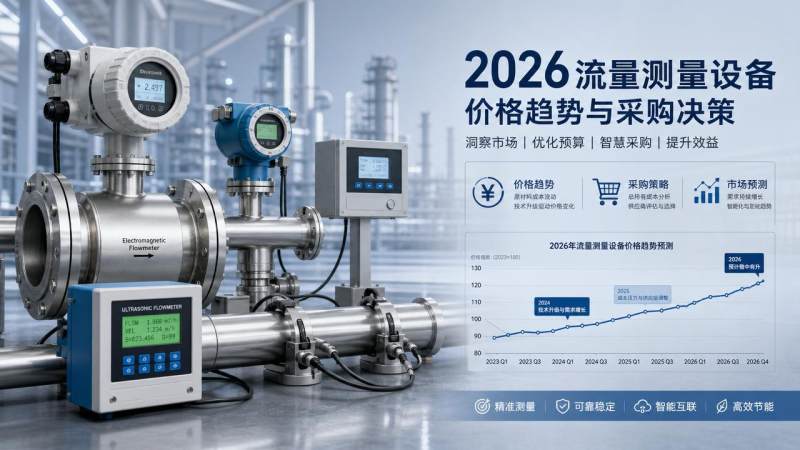
For finance approvers, the main question is not only how much flow measurement equipment costs, but why pricing is shifting across projects, sectors, and specification levels. In 2026, pricing is being shaped by supply chain normalization in some categories, while electronics, specialty alloys, and compliance-related components remain cost-sensitive.
The instrumentation industry sits at the center of industrial modernization. Flow meters, transmitters, controllers, and related monitoring devices support manufacturing lines, power systems, environmental facilities, laboratory processes, construction utilities, and automation platforms. As plants demand more connected, stable, and compliant measurement systems, the unit price of equipment increasingly reflects lifecycle value rather than hardware alone.
Key price drivers finance teams should track
- Material inputs: stainless steel, specialty linings, sensor components, and electronic boards have different volatility patterns, which affect electromagnetic, Coriolis, ultrasonic, vortex, and differential pressure products differently.
- Accuracy and stability requirements: tighter accuracy classes, hazardous area suitability, and wider turndown ratios often raise both acquisition and calibration costs.
- Digital integration: outputs such as 4–20 mA, pulse, Modbus, HART, or industrial Ethernet may require additional hardware, configuration, testing, and documentation.
- Project risk allocation: urgent delivery, customized wetted materials, special enclosure ratings, or documentation packages can move quotations more than base meter price alone.
This means a lower quote does not always deliver lower total cost. For a financial reviewer, the better lens is cost predictability over service life, especially when shutdowns, recalibration, or mismatch with process conditions can trigger hidden spending later.
Which types of flow measurement equipment show different price behavior?
Different technologies follow different pricing logic. For example, electromagnetic units may scale with lining and electrode material choices, while Coriolis systems often reflect sensor complexity and accuracy. The table below helps finance approvers compare how flow measurement equipment categories typically behave in procurement.
This comparison shows why one pricing benchmark cannot fit every project. Finance teams should avoid approving flow measurement equipment based on unit price alone when process media, installation conditions, and reporting requirements vary significantly.
How should finance approvers evaluate total cost instead of purchase price?
In many industrial and automation projects, the visible purchase cost is only one layer. The stronger decision model compares acquisition, installation, commissioning, compliance, maintenance, downtime risk, and replacement timing. This is especially important when instrumentation supports regulated production, environmental monitoring, or utility billing.
A practical cost framework
- Define process criticality. A meter used for internal trend monitoring has a different financial impact than one tied to product batching, utility allocation, or compliance reporting.
- Quantify installation burden. Pipe cutting, shutdown coordination, wiring, control integration, and validation can exceed the quoted hardware delta between options.
- Estimate maintenance intervals. Sensor fouling, recalibration frequency, spare part access, and technician requirements should be converted into annual operating cost.
- Price risk exposure. Inaccurate measurement can distort yield calculations, utility balancing, or emissions data, leading to recurring financial leakage.
A finance-friendly procurement process often improves when engineering and purchasing teams submit a lifecycle comparison rather than a single quotation sheet. That format makes flow measurement equipment easier to approve because the cost rationale becomes visible, testable, and aligned with business impact.
What procurement factors have the biggest impact on 2026 flow measurement equipment budgets?
Budget control improves when finance leaders know which specification choices are most likely to move quotes. The table below summarizes the procurement variables that commonly reshape flow measurement equipment pricing across mixed industrial applications.
The strongest savings often come from specification discipline, not aggressive price negotiation at the end. A well-defined request for quotation can prevent overbuying, reduce revision cycles, and shorten approval time.
Which application scenarios justify higher-priced flow measurement equipment?
Not every process needs a premium meter, but some do. Finance approvers should support higher initial spend when measurement quality affects product value, legal reporting, process efficiency, or shutdown exposure. In the broader instrumentation industry, these situations are common because measurement devices underpin both operational control and business accountability.
Typical cases where a higher budget is reasonable
- Chemical dosing or ingredient batching, where small accuracy deviations can create off-spec output, rework, or raw material loss.
- Steam, gas, or energy balance applications, where poor measurement weakens utility analysis and masks efficiency opportunities.
- Environmental monitoring points, where stable data records support audits, reporting credibility, and internal risk control.
- Retrofit projects with limited shutdown windows, where clamp-on or low-disruption solutions may lower installation cost even if unit price is higher.
By contrast, non-critical internal trend points may be suitable for simpler flow measurement equipment if process conditions are stable and the financial impact of moderate uncertainty is low. This is where finance discipline can prevent technical overdesign.
How do standards, documentation, and compliance affect price?
Compliance rarely appears as a single line item, yet it can materially affect quotations. Documentation packages, calibration traceability, material certificates, ingress protection, electrical safety, and hazardous area suitability all influence engineering time and delivery complexity. For regulated projects, these are often necessary costs rather than optional extras.
Items worth confirming before approval
- Whether the project requires calibration records traceable to recognized metrology practice.
- Whether site conditions require specific enclosure ratings, electrical approvals, or explosion-protection suitability.
- Whether construction, environmental, medical, or laboratory settings demand extra validation or material documentation.
- Whether digital records must integrate with plant historians, SCADA, PLC, or audit workflows.
For finance teams, the practical move is to separate mandatory compliance cost from optional enhancement cost. That distinction helps avoid both under-budgeting and unnecessary premium features.
What mistakes lead to poor ROI when buying flow measurement equipment?
The most expensive decision is often not the highest quote. It is the wrong specification that triggers repeat purchases, site rework, process instability, or unreliable reporting. These issues are especially costly in integrated automation environments where one bad instrument affects data quality across the system.
Common approval-stage mistakes
- Approving based only on line-item price without reviewing installation and commissioning requirements.
- Comparing different meter technologies as if they deliver the same process value under all conditions.
- Ignoring pipe condition, conductivity, flow profile, or medium behavior during quotation review.
- Paying for advanced communication or accuracy that the operating team will not use in practice.
- Overlooking supplier response time for documentation, spare parts, or post-installation troubleshooting.
A disciplined approval template can reduce these risks. It should ask for process data, installation assumptions, required outputs, compliance needs, lead time, and expected service plan before budget release.
FAQ: what do finance approvers usually ask about flow measurement equipment?
How should we compare two quotes that use different meter technologies?
Do not compare them as simple substitutes. Start with process compatibility, required accuracy, installation scope, maintenance expectations, and system integration. If one option cuts shutdown time or reduces calibration frequency, the higher unit price may still produce a stronger financial result.
When is lower-cost flow measurement equipment acceptable?
Lower-cost options can work well for non-critical monitoring points, stable utilities, temporary measurement tasks, or internal trend use where moderate uncertainty does not affect billing, product quality, or compliance reporting. The process context matters more than the catalog tier.
What lead-time issues should be considered in 2026?
Custom materials, special signal outputs, hazardous area configurations, and documentation-heavy orders may extend lead times. Finance approvers should ask whether the quoted price assumes standard production or expedited handling, because rush requirements can distort budget accuracy.
What documents should be reviewed before final approval?
Request a specification sheet, scope of supply, output and integration details, installation assumptions, calibration or test information where applicable, and any compliance-related statements needed by the project. These documents reduce mismatch risk and improve budget accountability.
Why choose us for flow measurement equipment planning and quotation support?
In the instrumentation industry, successful procurement depends on more than product availability. It requires a supplier partner that understands process measurement, automation integration, cost control, and documentation discipline across manufacturing, energy, environmental, laboratory, construction, and industrial monitoring applications.
We support finance approvers, purchasing teams, and technical stakeholders with practical quotation guidance built around measurable decision points rather than generic promises. This helps reduce approval delays and improves alignment between budget, process needs, and operating risk.
You can contact us to discuss
- Parameter confirmation, including medium type, line size, temperature, pressure, conductivity, and required outputs.
- Flow measurement equipment selection based on application criticality, accuracy expectations, and installation constraints.
- Lead-time review for standard versus customized configurations, including project delivery priorities.
- Documentation and certification requirements relevant to your plant, utility, environmental, laboratory, or automation project.
- Sample support, quotation comparison, and lifecycle cost evaluation for budget submission and internal approval.
If you are planning 2026 capital or maintenance budgets, contact us with your process conditions and project scope. We can help you review pricing logic, narrow the right flow measurement equipment options, and build a clearer basis for approval, delivery planning, and long-term cost control.
Recommended for You
 When does process gas monitoring need continuous measurement?Process gas monitoring needs continuous measurement when rapid changes threaten safety, quality, compliance, or uptime. Learn how to specify reliable, actionable monitoring systems.
 How to prevent false alarms in power plant instrumentationPower plant instrumentation guide: prevent false alarms with reliable signal checks, smarter alarm settings, mode-based control, and actionable operator responses.
 How fixed gas detectors help prevent leaks in enclosed workspacesFixed gas detectors provide continuous leak monitoring in enclosed workspaces, enabling faster alarms, safer responses, and stronger protection for people and processes.
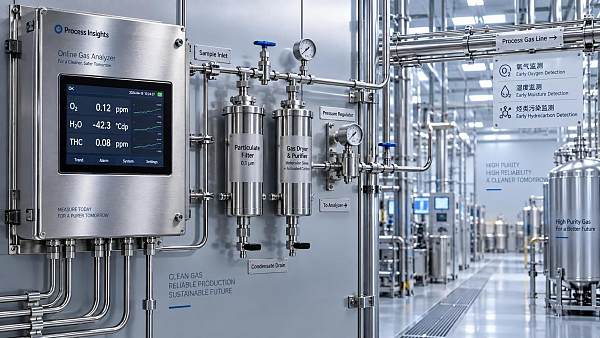
 How industrial gas analysis helps detect process contamination earlyIndustrial Gas Analysis helps detect oxygen, moisture, and hydrocarbon contamination early, enabling faster fault isolation, safer operations, and stronger process control.
 What drives environmental compliance continuous monitoring setup cost?Environmental compliance continuous monitoring setup cost: uncover hidden expenses, compare bids accurately, and build a reliable, audit-ready system.
 How to select gas analysis equipment for continuous emissions monitoringGas analysis equipment selection guide for reliable continuous emissions monitoring—compare technologies, sampling, calibration, compliance, and maintenance needs.
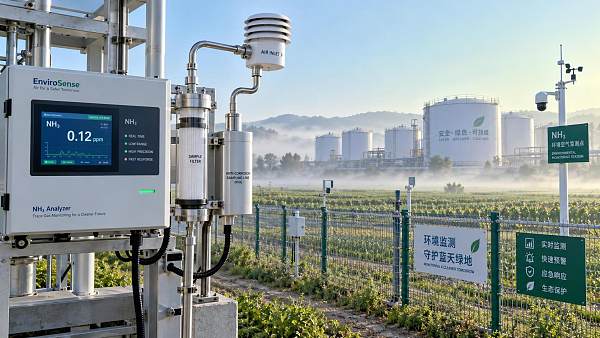
 What detection limit is needed for NH3 environmental monitoring?High accuracy NH3 analyzer for environmental monitoring: learn how to set the right detection limit, improve sampling reliability, and make defensible decisions.
 How to select a NOX analyzer for power plant emissions complianceNOX analyzer for power plant emissions: learn how to select a compliant, reliable CEMS solution with the right range, sample handling, calibration, and data integrity.
 How to evaluate a laser gas analyzer manufacturer in GermanyLaser gas analyzer manufacturer in Germany: compare accuracy, sample handling, interference control, calibration, and service to select a reliable solution.
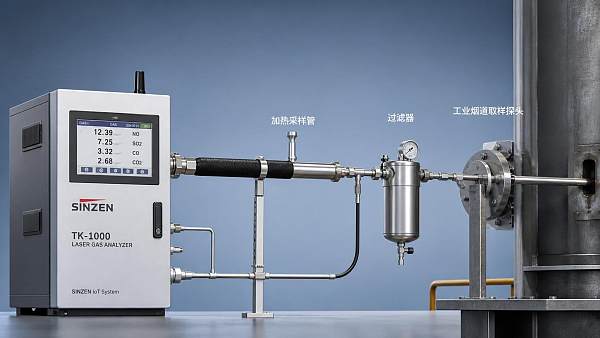
 How does a flue gas analyzer maintain accuracy in wet stack gas?Flue gas analyzer accuracy in wet stack gas depends on heated sampling, moisture correction, reliable sensors, and calibration. Explore key selection tips.
 What makes equipment suitable for a hazardous environment?Hazardous Environment equipment selection explained: certification, ignition control, materials, installation, and maintenance for safer operations.
 How Can Fugitive Emission Monitoring Results Be Validated?How to validate fugitive emission monitoring results: learn calibration, field documentation, data-quality checks, and compliance comparisons for credible, decision-ready reports.
 Do Stack Testing Instruments Need Heated Sample Lines?Do stack testing instruments need heated sample lines? Learn when heating protects sample integrity, prevents condensation, and improves reliable emissions measurements.
 What Are the Risks of Using Low-Cost Electrochemical Gas Analyzers?What are the risks of using low-cost electrochemical gas analyzers? Explore calibration drift, cross-sensitivity, safety, and compliance concerns before you buy.
 How Long Does It Take to Integrate a Custom Emission Monitoring Solution?How long does it take to integrate a custom emission monitoring solution? Explore timelines, site readiness, data integration, and validation factors.
 Is Industrial Safety Monitoring the Same as Emission Monitoring?is industrial safety monitoring the same as emission monitoring? Learn the key differences in purpose, alarms, compliance, and instrument selection for safer operations.
 What Monthly Maintenance Does a Wireless Measurement Node Need?What maintenance does a wireless measurement node need monthly? Explore practical checks for battery health, signal quality, sensor accuracy, enclosures, and reliable data.
 Can Measurement and Control Systems Handle Corrosive Flue Gas?Can measurement and control systems handle corrosive flue gas? Discover proven design strategies for reliable sensing, sampling, materials, and maintenance.
 How Can Data Logging Instruments Pass an Environmental Audit?Learn how to ensure data logging instruments pass environmental audit with proven calibration, data integrity, alarm control, and traceable compliance records.
 What Are the Common Pitfalls of Integrating Multiple Gas Analyzers?What are common pitfalls when integrating multiple gas analyzers? Discover how sampling, timing, calibration, and data integration risks affect reliable decisions.
 Is Predictive Analytics for Emission Control Useful or Just Hype?Is predictive analytics useful for emission control or just hype? Discover how reliable data, CEMS, and practical pilots can reduce risk and support compliance.
 How to select a hydrogen analyzer for petrochemical process safetyHydrogen analyzer for petrochemical industry selection guide: compare technologies, sample systems, response time, and safety certifications for reliable process protection.
 When does a thermal conductivity detector outperform an FID?Thermal conductivity detector vs. FID: discover when TCD is the smarter choice for permanent gases, bulk analysis, non-destructive detection, and reliable GC method design.
 What certification should you verify before buying an IECEx analyzer?IECEx analyzer buyers: verify the Certificate of Conformity, Ex marking, special conditions, and exact configuration before purchase. Avoid costly compliance risks.
 How oxygen analysis helps prevent incomplete combustionOxygen analysis helps prevent incomplete combustion by optimizing air-to-fuel balance, reducing fuel waste, improving burner safety, and supporting emissions control.
 How to size an industrial gas system for stable peak demandIndustrial gas system sizing guide for stable peak demand. Learn how to assess flow, pressure drop, buffer storage, purity, redundancy, and commissioning for reliable production.
 How to choose a process sensor for high-temperature applicationsProcess sensor selection for high-temperature applications: compare thermal limits, materials, accuracy, installation, and maintenance to secure reliable control data.
 When does continuous analysis improve industrial process control?Continuous analysis improves industrial process control with timely composition data that supports faster decisions, higher quality, safer operations, and less waste.
 How to choose emission control systems for variable industrial loadsEmission Control solutions for variable industrial loads: learn how to match technology, controls, monitoring, and lifecycle costs for reliable compliance.
 How continuous emissions monitoring supports reliable emission reductionEmission Reduction relies on reliable continuous emissions monitoring. Discover how accurate data, calibration, and process insights support compliance and smarter control.
 When does it make sense to automate a production line?Production Line automation makes sense when processes are stable, measurable, and repeatable. Learn the key signals, risks, and ROI triggers before you invest.
 What accuracy should a monitoring device deliver in power quality applicationsMonitoring Device accuracy in power quality applications affects compliance, troubleshooting, and decision confidence. Learn what specs, standards, and installation factors truly matter.





Search Categories
Search Categories
- Smart Meters & Power Quality
- Transformer Gas Analyzers
- BESS Thermal Runaway Detectors
- Energy, Power & Smart Grid Monitoring
- Optical Profilers & CMM
- Ultrasonic & X-Ray NDT
- Calibration Standards
- Precision Metrology & NDT
- Water Quality Analyzers
- CEMS & VOCs Monitors
- Price Trends
- Import & Export Updates
- Market Trends
- Industry News
- Industry Insights
Latest Article
- When does process gas monitoring need continuous measurement?Process gas monitoring needs continuous measurement when rapid changes threaten safety, quality, compliance, or uptime. Learn how to specify reliable, actionable monitoring systems.Posted by:
- How to prevent false alarms in power plant instrumentationPower plant instrumentation guide: prevent false alarms with reliable signal checks, smarter alarm settings, mode-based control, and actionable operator responses.Posted by:
- How fixed gas detectors help prevent leaks in enclosed workspacesFixed gas detectors provide continuous leak monitoring in enclosed workspaces, enabling faster alarms, safer responses, and stronger protection for people and processes.Posted by:
Please give us a message
