
Thermal Conductivity Analyzers: When Are They the Right Choice?


Choosing the right gas analysis technology can directly affect process safety, product quality, and operating efficiency. Thermal conductivity analyzers are often a strong option when applications require reliable measurement of binary or high-contrast gas mixtures, low maintenance, and continuous online monitoring. For technical evaluators, understanding where these instruments perform best is the first step toward making a practical and cost-effective selection.
When do thermal conductivity analyzers make the most sense?
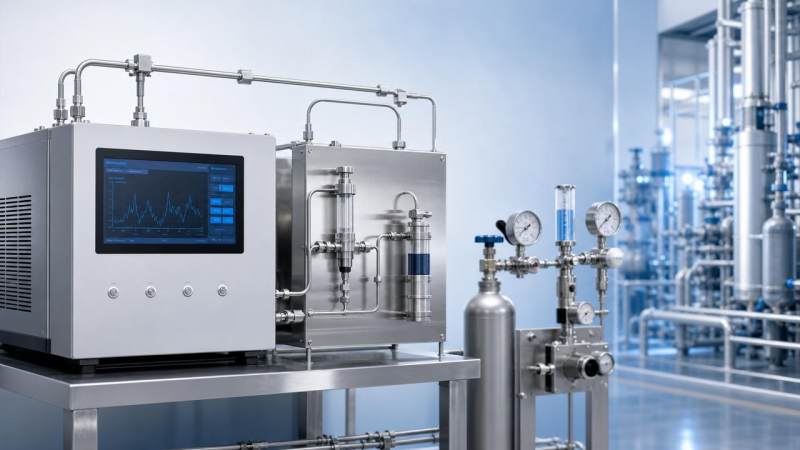
In the instrumentation industry, gas analysis is rarely a one-size-fits-all decision. Technical evaluators often compare speed, accuracy, maintenance load, installation environment, and integration requirements before approving a solution. Thermal conductivity analyzers stand out when the target gas mixture shows a meaningful difference in thermal conductivity between components.
These instruments infer gas composition by measuring how effectively a gas transfers heat. In practical terms, they are commonly used for binary mixtures, background gas monitoring, purity checks, and process streams where one major component changes against a stable matrix.
For technical assessment teams, the value is clear: thermal conductivity analyzers can deliver continuous online measurement without consumable reagents, complex optics, or fragile electrochemical cells in many applications. That simplicity can reduce lifecycle burden, especially in industrial manufacturing, energy systems, laboratory skids, and automation control projects.
- Best suited to gas pairs with strong conductivity contrast, such as hydrogen in nitrogen, argon, or air.
- Useful for continuous process monitoring where sample conditions remain relatively stable.
- Attractive where maintenance access is limited and operators want a durable online analyzer.
- Less ideal when multiple variable gas components create cross-sensitivity that cannot be compensated.
Why this matters in cross-industry instrumentation projects
The broader instrumentation sector supports industrial automation, digital monitoring, quality control, and process optimization across many fields. In that context, analyzers are not selected in isolation. They need to match control systems, sample handling design, calibration routines, and compliance expectations.
That is why thermal conductivity analyzers are often evaluated not just for measurement principle, but for total project fit. If the process requires robust online gas composition tracking with predictable operating cost, they can be a practical choice.
Which applications are a strong fit for thermal conductivity analyzers?
The most effective way to judge thermal conductivity analyzers is by application scenario. Technical evaluators should first review gas composition, process stability, pressure and temperature variation, contamination risk, and required response time.
The following table highlights where thermal conductivity analyzers are typically a good fit and where caution is needed during specification.
The key takeaway is not that thermal conductivity analyzers are universally better, but that they are particularly effective when the gas matrix is well understood. In process industries, that often translates into lower complexity and fewer maintenance interventions than more selective technologies.
Scenarios that need extra caution
- Streams with several changing components, where conductivity shifts cannot be attributed to a single target gas.
- Applications requiring trace-level selectivity for a minor impurity in a complex matrix.
- Dirty or wet sample gas without adequate filtration, pressure control, or moisture management.
- Processes with rapid thermal swings if the analyzer or sample system lacks proper compensation.
How do thermal conductivity analyzers compare with other gas analysis technologies?
Technical evaluators usually do not ask whether a technology is good in general. They ask whether it is better than infrared, paramagnetic, electrochemical, or chromatographic methods for a specific duty. That comparison should include selectivity, maintenance, response behavior, and installed cost.
The table below provides a practical comparison framework for thermal conductivity analyzers in instrumentation selection projects.
For many industrial users, thermal conductivity analyzers occupy an important middle ground. They are often simpler than chromatographic systems and more suitable than infrared methods when hydrogen or other conductivity-sensitive gases are involved. The right comparison point is the process objective, not just the instrument brochure.
A practical decision rule
If your question is “What is the exact composition of several changing gases?” a more selective technology may be necessary. If your question is “Is gas A increasing or decreasing against gas B in a stable process?” thermal conductivity analyzers are often the more efficient answer.
What should technical evaluators check before selecting a model?
Selection errors usually happen before purchase, not after startup. A thermal conductivity analyzer can perform well only when the sample system, measurement range, installation condition, and control interface are aligned with the process requirement.
Core specification checklist
- Define the gas mixture clearly. Identify the target gas, background gas, and any secondary components that may vary during operation.
- Match the measurement range to actual process values. Avoid selecting a broad range if the process operates in a narrow control band.
- Review pressure, temperature, and flow effects. Stable sample delivery is often as important as the analyzer sensor itself.
- Evaluate contamination risk. Dust, aerosols, corrosive vapors, and condensate can distort results or shorten service intervals.
- Confirm integration needs. Many projects require analog output, digital communication, alarms, and compatibility with DCS or PLC platforms.
- Check maintenance accessibility. In online monitoring systems, easy calibration and service access reduce operating disruption.
In the instrumentation industry, these checks are especially important because analyzers often become part of larger automation and digitalization architectures. A technically acceptable sensor that cannot fit the site’s control, safety, or service model may still be the wrong procurement decision.
Recommended evaluation dimensions
The table below can help technical evaluators organize a more disciplined thermal conductivity analyzer review before requesting quotation or sample validation.
A disciplined review saves time later. It also supports cleaner communication among engineering, procurement, operations, and safety teams, which is essential in multi-department instrumentation projects.
What are the cost, maintenance, and implementation trade-offs?
Budget pressure is a common issue for technical evaluators. The lowest purchase price is rarely the lowest project cost. With thermal conductivity analyzers, the real cost picture depends on sample system complexity, calibration frequency, expected uptime, and whether a more selective technology would otherwise be oversized for the application.
Where the economics are favorable
- No need for elaborate separation or optical assemblies in many binary gas duties.
- Lower consumable dependence than sensor-cell technologies that require periodic replacement.
- Good fit for continuous online monitoring, which can reduce manual sampling labor.
- Straightforward integration into industrial monitoring and automation frameworks.
Where hidden costs can appear
- Inadequate sample pretreatment can cause unstable readings, leading to service calls and process disruption.
- If the gas matrix is too complex, a cheaper analyzer may become costly due to poor analytical fit.
- Hazardous area or special enclosure requirements can add project cost beyond the base instrument.
- Calibration planning is often underestimated, especially when special gas mixtures are required.
Implementation should also be considered early. A sound deployment plan typically includes process review, sampling design, analyzer placement, signal integration, commissioning, and operator training. In modern instrumentation projects, these steps matter as much as the core analyzer specification.
What standards, risks, and misconceptions should be considered?
Thermal conductivity analyzers are often evaluated for use in regulated or safety-sensitive environments. While exact requirements vary by sector and region, technical teams should review general expectations around electrical safety, hazardous area suitability where applicable, calibration traceability, and process documentation.
Common misconceptions
- “If it measures gas concentration, it will work for any gas mixture.” In reality, mixture composition and interference behavior determine suitability.
- “Low maintenance means no maintenance.” Regular calibration checks and sample line inspection still matter.
- “A sensor specification alone defines performance.” The sample system, installation environment, and operating procedure strongly influence final results.
Risk control suggestions
Before final approval, ask for a matrix review of likely interfering gases. Confirm acceptable pressure and temperature windows. Verify calibration method and service access. If the analyzer will be connected to a larger digital monitoring system, check communication compatibility and alarm philosophy early rather than after procurement.
FAQ: what do technical evaluators ask most often?
How do I know if thermal conductivity analyzers fit my gas mixture?
Start with the gas matrix. Thermal conductivity analyzers are strongest when one component changes against a stable background and the conductivity difference is significant. If multiple components vary at the same time, request a deeper application review before selecting this method.
Are thermal conductivity analyzers suitable for online industrial monitoring?
Yes, in many cases they are well suited to continuous online monitoring. They are often selected for industrial manufacturing, energy-related systems, gas blending skids, and process control loops where stable and repeatable composition tracking is more important than full multicomponent laboratory-style analysis.
What should procurement teams request from suppliers?
Ask for confirmation of gas compatibility, measurement range, expected response behavior, sample conditioning recommendations, output and communication options, calibration requirements, spare part plan, and estimated delivery scope. For thermal conductivity analyzers, sample system advice is especially important.
Can thermal conductivity analyzers reduce lifecycle cost?
They can, especially when they replace a more complex method in a suitable binary gas application. Savings often come from simpler operation, fewer consumables, and easier integration. However, poor application matching can erase those benefits, so selection discipline remains essential.
Why choose us for thermal conductivity analyzer evaluation and project support?
In the instrumentation industry, successful analyzer projects depend on more than product supply. They require process understanding, application screening, system integration awareness, and practical support across specification, procurement, and implementation stages. That is especially true for thermal conductivity analyzers, where gas matrix fit and sample handling design directly affect results.
We support technical evaluators with solution-oriented communication focused on real project decisions rather than generic recommendations. You can consult us for parameter confirmation, gas matrix suitability review, analyzer selection, sample conditioning suggestions, delivery scope discussion, integration interface checks, customization needs, certification-related questions, sample support, and quotation planning.
If you are comparing thermal conductivity analyzers with another gas analysis method, share your process gas composition, operating range, installation conditions, and control system requirements. That allows a more practical recommendation, shorter evaluation cycle, and a selection path aligned with safety, performance, and project cost.
Recommended for You
 When does process gas monitoring need continuous measurement?Process gas monitoring needs continuous measurement when rapid changes threaten safety, quality, compliance, or uptime. Learn how to specify reliable, actionable monitoring systems.
 How to prevent false alarms in power plant instrumentationPower plant instrumentation guide: prevent false alarms with reliable signal checks, smarter alarm settings, mode-based control, and actionable operator responses.
 How fixed gas detectors help prevent leaks in enclosed workspacesFixed gas detectors provide continuous leak monitoring in enclosed workspaces, enabling faster alarms, safer responses, and stronger protection for people and processes.
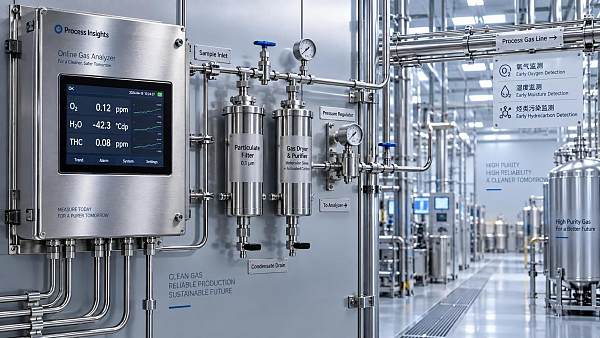
 How industrial gas analysis helps detect process contamination earlyIndustrial Gas Analysis helps detect oxygen, moisture, and hydrocarbon contamination early, enabling faster fault isolation, safer operations, and stronger process control.
 What drives environmental compliance continuous monitoring setup cost?Environmental compliance continuous monitoring setup cost: uncover hidden expenses, compare bids accurately, and build a reliable, audit-ready system.
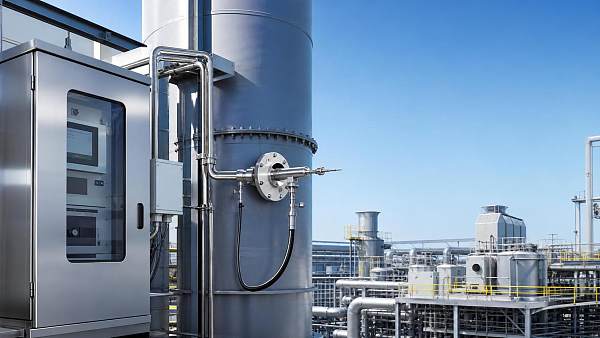
 How to select gas analysis equipment for continuous emissions monitoringGas analysis equipment selection guide for reliable continuous emissions monitoring—compare technologies, sampling, calibration, compliance, and maintenance needs.
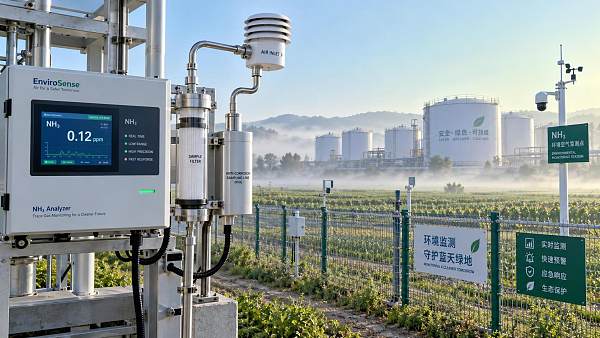
 What detection limit is needed for NH3 environmental monitoring?High accuracy NH3 analyzer for environmental monitoring: learn how to set the right detection limit, improve sampling reliability, and make defensible decisions.
 How to select a NOX analyzer for power plant emissions complianceNOX analyzer for power plant emissions: learn how to select a compliant, reliable CEMS solution with the right range, sample handling, calibration, and data integrity.
 How to evaluate a laser gas analyzer manufacturer in GermanyLaser gas analyzer manufacturer in Germany: compare accuracy, sample handling, interference control, calibration, and service to select a reliable solution.
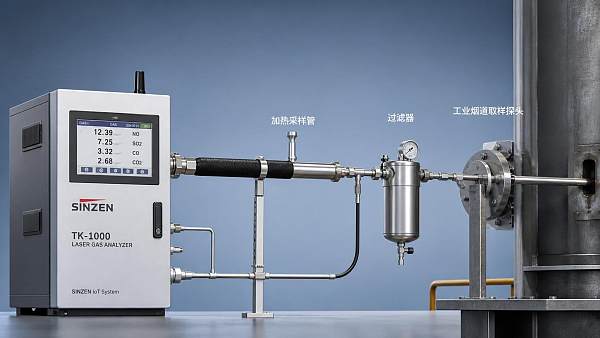
 How does a flue gas analyzer maintain accuracy in wet stack gas?Flue gas analyzer accuracy in wet stack gas depends on heated sampling, moisture correction, reliable sensors, and calibration. Explore key selection tips.
 What makes equipment suitable for a hazardous environment?Hazardous Environment equipment selection explained: certification, ignition control, materials, installation, and maintenance for safer operations.
 How Can Fugitive Emission Monitoring Results Be Validated?How to validate fugitive emission monitoring results: learn calibration, field documentation, data-quality checks, and compliance comparisons for credible, decision-ready reports.
 Do Stack Testing Instruments Need Heated Sample Lines?Do stack testing instruments need heated sample lines? Learn when heating protects sample integrity, prevents condensation, and improves reliable emissions measurements.
 What Are the Risks of Using Low-Cost Electrochemical Gas Analyzers?What are the risks of using low-cost electrochemical gas analyzers? Explore calibration drift, cross-sensitivity, safety, and compliance concerns before you buy.
 How Long Does It Take to Integrate a Custom Emission Monitoring Solution?How long does it take to integrate a custom emission monitoring solution? Explore timelines, site readiness, data integration, and validation factors.
 Is Industrial Safety Monitoring the Same as Emission Monitoring?is industrial safety monitoring the same as emission monitoring? Learn the key differences in purpose, alarms, compliance, and instrument selection for safer operations.
 What Monthly Maintenance Does a Wireless Measurement Node Need?What maintenance does a wireless measurement node need monthly? Explore practical checks for battery health, signal quality, sensor accuracy, enclosures, and reliable data.
 Can Measurement and Control Systems Handle Corrosive Flue Gas?Can measurement and control systems handle corrosive flue gas? Discover proven design strategies for reliable sensing, sampling, materials, and maintenance.
 How Can Data Logging Instruments Pass an Environmental Audit?Learn how to ensure data logging instruments pass environmental audit with proven calibration, data integrity, alarm control, and traceable compliance records.
 What Are the Common Pitfalls of Integrating Multiple Gas Analyzers?What are common pitfalls when integrating multiple gas analyzers? Discover how sampling, timing, calibration, and data integration risks affect reliable decisions.
 Is Predictive Analytics for Emission Control Useful or Just Hype?Is predictive analytics useful for emission control or just hype? Discover how reliable data, CEMS, and practical pilots can reduce risk and support compliance.
 How to select a hydrogen analyzer for petrochemical process safetyHydrogen analyzer for petrochemical industry selection guide: compare technologies, sample systems, response time, and safety certifications for reliable process protection.
 When does a thermal conductivity detector outperform an FID?Thermal conductivity detector vs. FID: discover when TCD is the smarter choice for permanent gases, bulk analysis, non-destructive detection, and reliable GC method design.
 What certification should you verify before buying an IECEx analyzer?IECEx analyzer buyers: verify the Certificate of Conformity, Ex marking, special conditions, and exact configuration before purchase. Avoid costly compliance risks.
 How oxygen analysis helps prevent incomplete combustionOxygen analysis helps prevent incomplete combustion by optimizing air-to-fuel balance, reducing fuel waste, improving burner safety, and supporting emissions control.
 How to size an industrial gas system for stable peak demandIndustrial gas system sizing guide for stable peak demand. Learn how to assess flow, pressure drop, buffer storage, purity, redundancy, and commissioning for reliable production.
 How to choose a process sensor for high-temperature applicationsProcess sensor selection for high-temperature applications: compare thermal limits, materials, accuracy, installation, and maintenance to secure reliable control data.
 When does continuous analysis improve industrial process control?Continuous analysis improves industrial process control with timely composition data that supports faster decisions, higher quality, safer operations, and less waste.
 How to choose emission control systems for variable industrial loadsEmission Control solutions for variable industrial loads: learn how to match technology, controls, monitoring, and lifecycle costs for reliable compliance.
 How continuous emissions monitoring supports reliable emission reductionEmission Reduction relies on reliable continuous emissions monitoring. Discover how accurate data, calibration, and process insights support compliance and smarter control.
 When does it make sense to automate a production line?Production Line automation makes sense when processes are stable, measurable, and repeatable. Learn the key signals, risks, and ROI triggers before you invest.
 What accuracy should a monitoring device deliver in power quality applicationsMonitoring Device accuracy in power quality applications affects compliance, troubleshooting, and decision confidence. Learn what specs, standards, and installation factors truly matter.




Search Categories
Search Categories
- Smart Meters & Power Quality
- Transformer Gas Analyzers
- BESS Thermal Runaway Detectors
- Energy, Power & Smart Grid Monitoring
- Optical Profilers & CMM
- Ultrasonic & X-Ray NDT
- Calibration Standards
- Precision Metrology & NDT
- Water Quality Analyzers
- CEMS & VOCs Monitors
- Price Trends
- Import & Export Updates
- Market Trends
- Industry News
- Industry Insights
Latest Article
- When does process gas monitoring need continuous measurement?Process gas monitoring needs continuous measurement when rapid changes threaten safety, quality, compliance, or uptime. Learn how to specify reliable, actionable monitoring systems.Posted by:
- How to prevent false alarms in power plant instrumentationPower plant instrumentation guide: prevent false alarms with reliable signal checks, smarter alarm settings, mode-based control, and actionable operator responses.Posted by:
- How fixed gas detectors help prevent leaks in enclosed workspacesFixed gas detectors provide continuous leak monitoring in enclosed workspaces, enabling faster alarms, safer responses, and stronger protection for people and processes.Posted by:
Please give us a message
