
Dual Gas Analyzer Cost Factors Before Purchase


Choosing a dual gas analyzer is not just a technical decision. It is a cost decision tied to compliance, safety, efficiency, and maintenance exposure.
Before comparing quotations, the real question is where the instrument will work, what risks it must reduce, and how stable its readings must remain.
A dual gas analyzer can serve combustion control, emission monitoring, confined-space safety, laboratory analysis, or process optimization. Each scenario changes the cost structure.
Dual Gas Analyzer Cost Starts With the Application Scenario
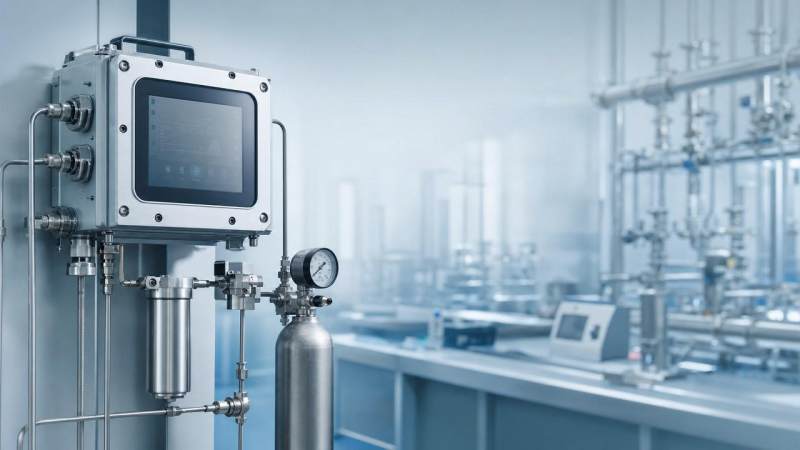
The purchase price of a dual gas analyzer rarely tells the full story. Two similar devices may perform very differently in harsh field conditions.
Cost rises when the application requires higher accuracy, faster response, heated sampling, hazardous-area certification, or continuous unattended operation.
Cost also changes when the measured gases are corrosive, wet, explosive, toxic, or present at very low concentration.
Global Instrument Hub evaluates these factors through scenario-based intelligence, not simple catalog comparison. That approach reduces specification mismatch.
Process Control Scenarios Demand Stability Before Low Price
In industrial process control, a dual gas analyzer often monitors oxygen, carbon monoxide, carbon dioxide, methane, hydrogen, or other key process gases.
The main cost driver is long-term measurement stability. A cheaper unit can create expensive control drift if calibration shifts frequently.
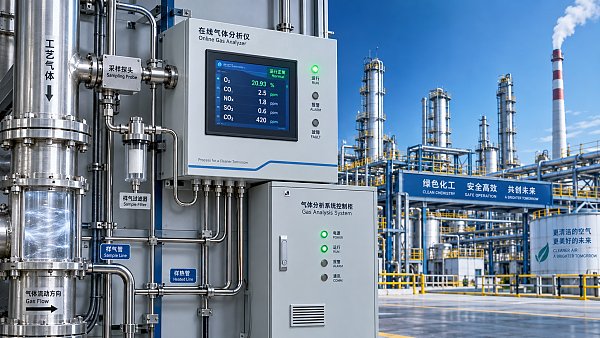
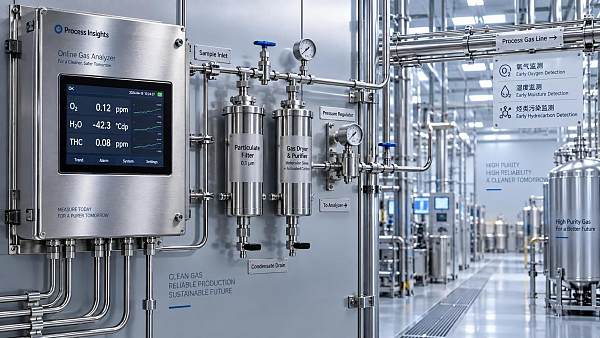
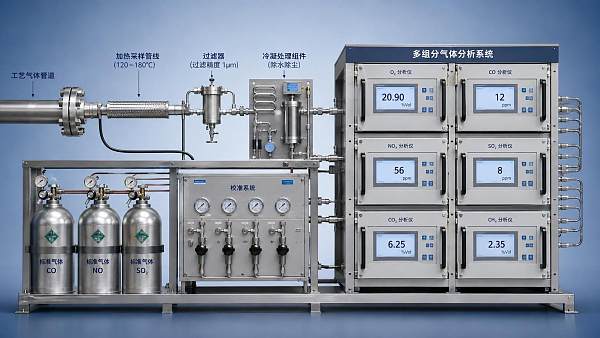
Continuous plants usually need robust sample conditioning. Filters, coolers, pumps, dryers, and heated lines can exceed the analyzer body cost.
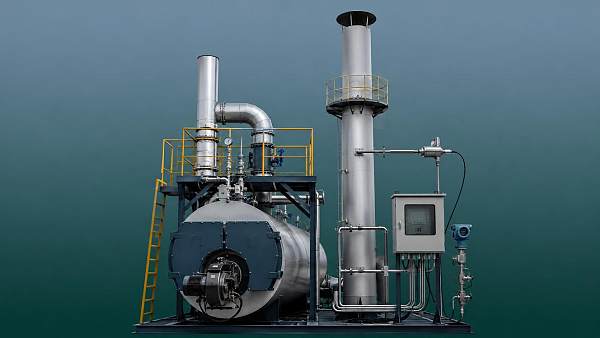
For combustion optimization, response time matters. A slow dual gas analyzer may miss short oxygen fluctuations and waste fuel.
For chemical production, materials compatibility matters more. Stainless steel, PTFE, Hastelloy, or special seals increase cost but prevent premature failure.
Environmental Monitoring Scenarios Add Compliance Costs
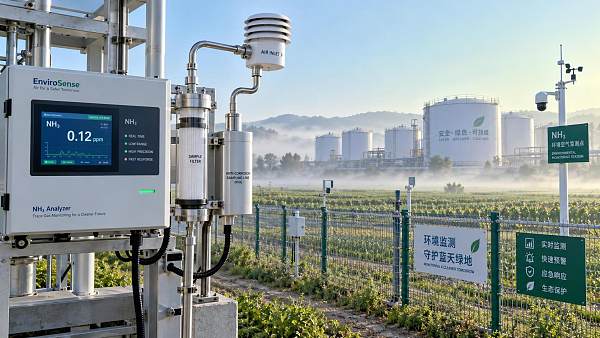
Environmental applications often require a dual gas analyzer to support emissions reporting, workplace exposure checks, or stack monitoring verification.
Here, cost is shaped by traceability. Calibration certificates, documented uncertainty, and recognized test methods become part of the investment.
A low-cost dual gas analyzer without proper compliance support may fail audits, even if it appears accurate during basic testing.
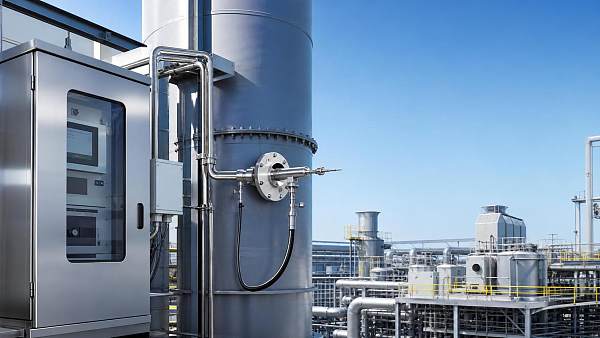
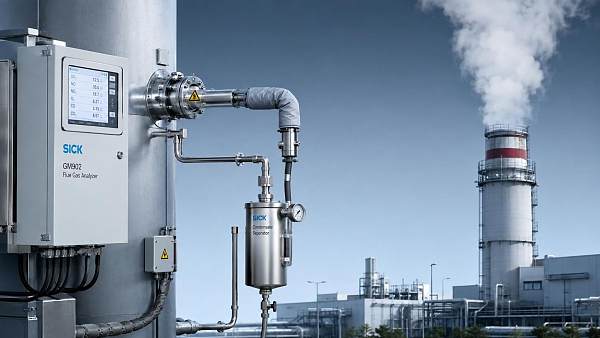
Continuous emission monitoring may require heated probes, automatic calibration, data logging, alarm outputs, and integration with plant reporting systems.
These features increase upfront cost. However, they lower the risk of invalid data, manual sampling errors, and regulatory disputes.
Safety Scenarios Prioritize Certification and Alarm Reliability
For confined spaces, gas storage areas, tunnels, and energy facilities, a dual gas analyzer may protect life-critical operations.
The decisive cost factor is not only sensor accuracy. It is alarm reliability under dust, humidity, vibration, and temperature changes.
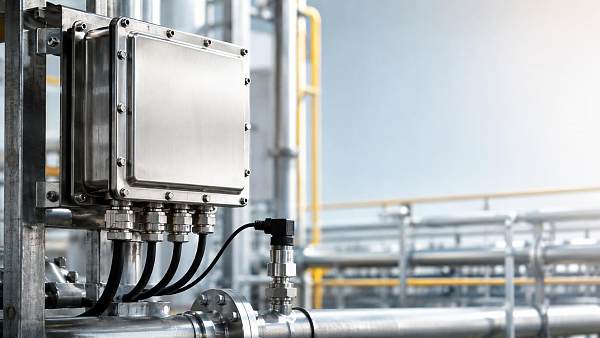
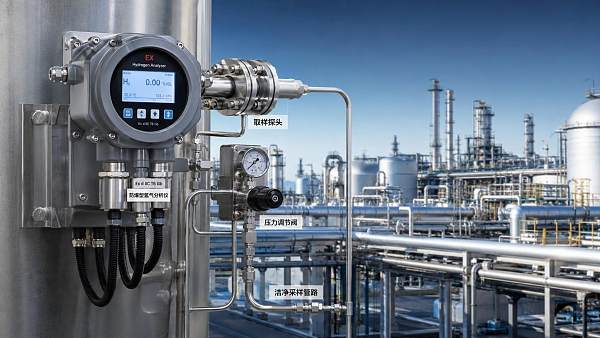
Hazardous locations may require ATEX, IECEx, UL, or CSA certification. Certified designs cost more because testing and documentation are rigorous.
Battery performance, ingress protection, drop resistance, and audible alarms also affect cost. These features matter when the instrument is used outdoors.
A dual gas analyzer selected for safety should be judged by failure behavior, not only normal operating performance.
Laboratory Scenarios Depend on Accuracy, Range, and Data Quality
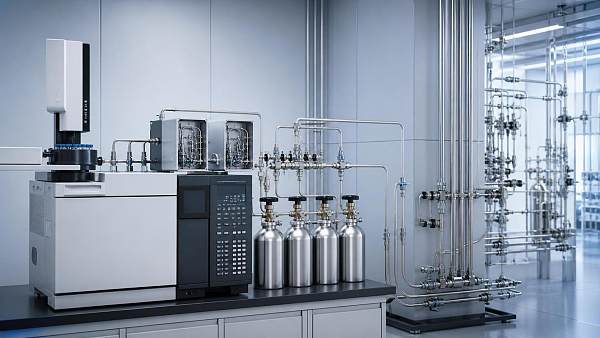
In laboratory and life science environments, a dual gas analyzer may support incubation, material testing, gas mixing, or controlled atmosphere studies.
The cost driver is measurement quality. Lower detection limits, better linearity, and smaller uncertainty usually require premium sensor technology.
Data export can also influence cost. USB, Ethernet, Modbus, OPC UA, and laboratory software links may be required.
If experiments need repeatability, choose a dual gas analyzer with clear calibration intervals and stable baseline behavior.
For trace gas work, low-cost sensors may create false confidence. Noise, cross-sensitivity, and drift become hidden budget risks.
Sensor Technology Changes the Real Cost Profile
A dual gas analyzer may use electrochemical, NDIR, paramagnetic, zirconia, thermal conductivity, photoacoustic, or laser-based sensing technologies.
Electrochemical sensors often reduce purchase cost. They are practical for safety and portable checks, but replacement intervals must be budgeted.
NDIR sensors suit CO2, CO, methane, and hydrocarbons. They offer good stability, but optical components and sample conditioning affect pricing.
Zirconia oxygen measurement is fast and durable in combustion work. It may need high operating temperature and proper gas compatibility checks.
Laser-based systems cost more initially. They can reduce maintenance in selective, non-contact, or in-situ applications.
Scenario Differences That Directly Affect Budget
This comparison shows why a dual gas analyzer should never be evaluated by gas channels alone.
The same two gases can require completely different budgets across field safety, laboratory analysis, and continuous process service.
Sample Conditioning Can Be More Expensive Than Expected
Sample conditioning is one of the most underestimated dual gas analyzer cost factors before purchase.
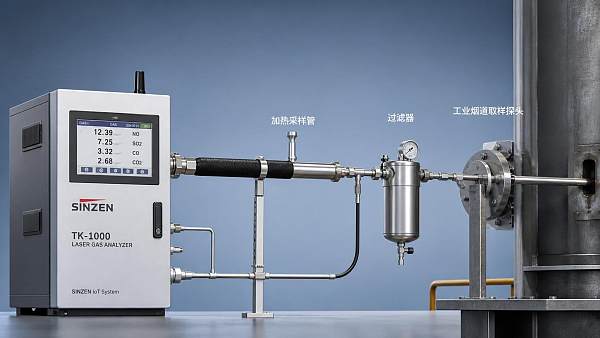
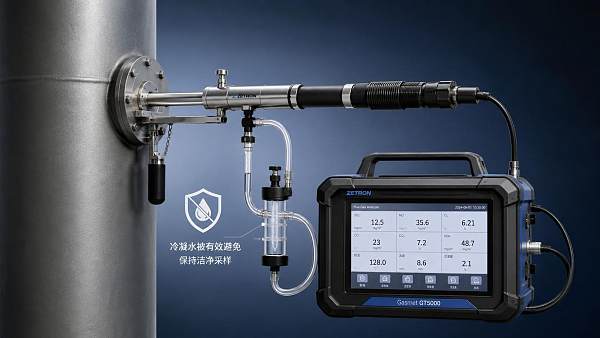
Wet, dirty, hot, or corrosive gas streams may require probes, filters, condensate traps, dilution systems, or heated sample lines.
If conditioning is weak, readings become unstable. Sensors may fail early, causing downtime and repeated service costs.
If conditioning is excessive, installation cost rises unnecessarily. The right design balances protection, response time, and maintenance access.
GIH recommends reviewing gas temperature, pressure, humidity, dust load, and chemical composition before comparing analyzer quotations.
Calibration and Maintenance Define Ownership Cost
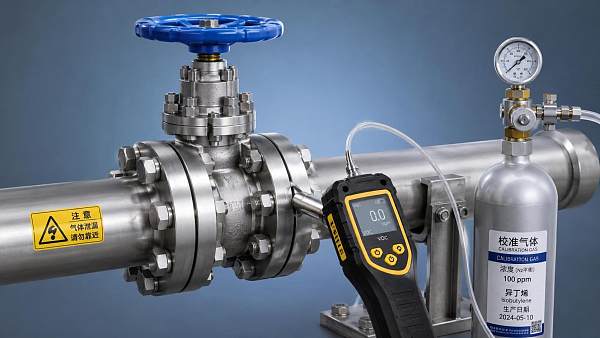
A dual gas analyzer needs calibration gases, regulators, tubing, trained service, and documented procedures.
These recurring costs are often missing from initial price discussions. They can become significant over three to five years.
Automatic calibration adds upfront cost. It can reduce manual labor and improve data consistency for continuous monitoring.
Portable units may need frequent bump tests. Fixed systems may need scheduled span checks and preventive replacement of consumables.
Before purchase, confirm calibration frequency, gas cylinder availability, zero gas needs, and sensor replacement schedules.
Integration Costs Appear After Installation Planning
A dual gas analyzer may need to connect with PLC, DCS, SCADA, data loggers, alarms, or cloud reporting platforms.
Analog outputs are simple but limited. Digital protocols improve diagnostics, yet may require configuration and cybersecurity review.
Power supply, enclosure rating, cable routing, signal isolation, and mounting hardware should be included in the budget.
Remote diagnostics may increase purchase cost. However, they can reduce travel, shorten troubleshooting, and improve uptime.
A dual gas analyzer installed in a smart factory should be evaluated as part of the control architecture.
Supplier Capability Influences Risk, Not Just Price
Supplier capability becomes a cost factor when documentation, customization, spare parts, or fast service are needed.
A reliable dual gas analyzer supplier should explain sensor limitations, cross-interference, calibration methods, and environmental constraints clearly.
Technical transparency reduces future disputes. It also helps match the analyzer to real operating conditions.
GIH tracks supplier credibility through product depth, certification evidence, engineering response quality, and supply chain consistency.
This matters in global sourcing, where a low quote may hide weak after-sales support or unclear compliance responsibility.
Common Misjudgments Before Buying a Dual Gas Analyzer
- Selecting by gas name only, without checking range and interference.
- Ignoring humidity, condensate, and sample temperature effects.
- Comparing portable and fixed systems as if they serve the same duty.
- Underestimating calibration gas, accessories, and replacement sensors.
- Assuming certification is optional in hazardous environments.
- Forgetting data output requirements until commissioning begins.
These mistakes can turn an inexpensive dual gas analyzer into a costly operational compromise.
The better approach is to define the scenario first, then request quotations against measurable operating requirements.
Practical Scenario-Based Selection Checklist
- Define both target gases, expected ranges, and alarm thresholds.
- Confirm gas stream temperature, pressure, humidity, and contamination.
- Identify whether the analyzer is portable, fixed, extractive, or in-situ.
- Check required standards, certificates, and calibration traceability.
- Estimate consumables, service labor, and calibration gas costs.
- Verify integration needs before finalizing the instrument configuration.
This checklist turns dual gas analyzer selection into a structured investment review instead of a simple price comparison.
It also helps reveal whether a premium model lowers total lifecycle cost through reliability and reduced maintenance.
Final Action: Compare Total Value, Not Only Purchase Price
A dual gas analyzer should be purchased according to scenario fit, measurement confidence, compliance duty, and lifecycle economics.
The best value usually comes from matching sensor technology, sample handling, certification, software, and service support to the application.
Before approving a quotation, build a cost map covering analyzer body, conditioning system, calibration, consumables, integration, and downtime risk.
Global Instrument Hub supports this decision process with instrumentation intelligence, supplier research, and technical comparison across global markets.
Use scenario requirements as the starting point, and the right dual gas analyzer becomes a reliable asset rather than a recurring expense.
Recommended for You
 When does process gas monitoring need continuous measurement?Process gas monitoring needs continuous measurement when rapid changes threaten safety, quality, compliance, or uptime. Learn how to specify reliable, actionable monitoring systems.
 How to prevent false alarms in power plant instrumentationPower plant instrumentation guide: prevent false alarms with reliable signal checks, smarter alarm settings, mode-based control, and actionable operator responses.
 How fixed gas detectors help prevent leaks in enclosed workspacesFixed gas detectors provide continuous leak monitoring in enclosed workspaces, enabling faster alarms, safer responses, and stronger protection for people and processes.
 How industrial gas analysis helps detect process contamination earlyIndustrial Gas Analysis helps detect oxygen, moisture, and hydrocarbon contamination early, enabling faster fault isolation, safer operations, and stronger process control.
 What drives environmental compliance continuous monitoring setup cost?Environmental compliance continuous monitoring setup cost: uncover hidden expenses, compare bids accurately, and build a reliable, audit-ready system.
 How to select gas analysis equipment for continuous emissions monitoringGas analysis equipment selection guide for reliable continuous emissions monitoring—compare technologies, sampling, calibration, compliance, and maintenance needs.
 What detection limit is needed for NH3 environmental monitoring?High accuracy NH3 analyzer for environmental monitoring: learn how to set the right detection limit, improve sampling reliability, and make defensible decisions.
 How to select a NOX analyzer for power plant emissions complianceNOX analyzer for power plant emissions: learn how to select a compliant, reliable CEMS solution with the right range, sample handling, calibration, and data integrity.
 How to evaluate a laser gas analyzer manufacturer in GermanyLaser gas analyzer manufacturer in Germany: compare accuracy, sample handling, interference control, calibration, and service to select a reliable solution.
 How does a flue gas analyzer maintain accuracy in wet stack gas?Flue gas analyzer accuracy in wet stack gas depends on heated sampling, moisture correction, reliable sensors, and calibration. Explore key selection tips.
 What makes equipment suitable for a hazardous environment?Hazardous Environment equipment selection explained: certification, ignition control, materials, installation, and maintenance for safer operations.
 How Can Fugitive Emission Monitoring Results Be Validated?How to validate fugitive emission monitoring results: learn calibration, field documentation, data-quality checks, and compliance comparisons for credible, decision-ready reports.
 Do Stack Testing Instruments Need Heated Sample Lines?Do stack testing instruments need heated sample lines? Learn when heating protects sample integrity, prevents condensation, and improves reliable emissions measurements.
 What Are the Risks of Using Low-Cost Electrochemical Gas Analyzers?What are the risks of using low-cost electrochemical gas analyzers? Explore calibration drift, cross-sensitivity, safety, and compliance concerns before you buy.
 How Long Does It Take to Integrate a Custom Emission Monitoring Solution?How long does it take to integrate a custom emission monitoring solution? Explore timelines, site readiness, data integration, and validation factors.
 Is Industrial Safety Monitoring the Same as Emission Monitoring?is industrial safety monitoring the same as emission monitoring? Learn the key differences in purpose, alarms, compliance, and instrument selection for safer operations.
 What Monthly Maintenance Does a Wireless Measurement Node Need?What maintenance does a wireless measurement node need monthly? Explore practical checks for battery health, signal quality, sensor accuracy, enclosures, and reliable data.
 Can Measurement and Control Systems Handle Corrosive Flue Gas?Can measurement and control systems handle corrosive flue gas? Discover proven design strategies for reliable sensing, sampling, materials, and maintenance.
 How Can Data Logging Instruments Pass an Environmental Audit?Learn how to ensure data logging instruments pass environmental audit with proven calibration, data integrity, alarm control, and traceable compliance records.
 What Are the Common Pitfalls of Integrating Multiple Gas Analyzers?What are common pitfalls when integrating multiple gas analyzers? Discover how sampling, timing, calibration, and data integration risks affect reliable decisions.
 Is Predictive Analytics for Emission Control Useful or Just Hype?Is predictive analytics useful for emission control or just hype? Discover how reliable data, CEMS, and practical pilots can reduce risk and support compliance.
 How to select a hydrogen analyzer for petrochemical process safetyHydrogen analyzer for petrochemical industry selection guide: compare technologies, sample systems, response time, and safety certifications for reliable process protection.
 When does a thermal conductivity detector outperform an FID?Thermal conductivity detector vs. FID: discover when TCD is the smarter choice for permanent gases, bulk analysis, non-destructive detection, and reliable GC method design.
 What certification should you verify before buying an IECEx analyzer?IECEx analyzer buyers: verify the Certificate of Conformity, Ex marking, special conditions, and exact configuration before purchase. Avoid costly compliance risks.
 How oxygen analysis helps prevent incomplete combustionOxygen analysis helps prevent incomplete combustion by optimizing air-to-fuel balance, reducing fuel waste, improving burner safety, and supporting emissions control.
 How to size an industrial gas system for stable peak demandIndustrial gas system sizing guide for stable peak demand. Learn how to assess flow, pressure drop, buffer storage, purity, redundancy, and commissioning for reliable production.
 How to choose a process sensor for high-temperature applicationsProcess sensor selection for high-temperature applications: compare thermal limits, materials, accuracy, installation, and maintenance to secure reliable control data.
 When does continuous analysis improve industrial process control?Continuous analysis improves industrial process control with timely composition data that supports faster decisions, higher quality, safer operations, and less waste.
 How to choose emission control systems for variable industrial loadsEmission Control solutions for variable industrial loads: learn how to match technology, controls, monitoring, and lifecycle costs for reliable compliance.
 How continuous emissions monitoring supports reliable emission reductionEmission Reduction relies on reliable continuous emissions monitoring. Discover how accurate data, calibration, and process insights support compliance and smarter control.
 When does it make sense to automate a production line?Production Line automation makes sense when processes are stable, measurable, and repeatable. Learn the key signals, risks, and ROI triggers before you invest.
 What accuracy should a monitoring device deliver in power quality applicationsMonitoring Device accuracy in power quality applications affects compliance, troubleshooting, and decision confidence. Learn what specs, standards, and installation factors truly matter.




Search Categories
Search Categories
- Smart Meters & Power Quality
- Transformer Gas Analyzers
- BESS Thermal Runaway Detectors
- Energy, Power & Smart Grid Monitoring
- Optical Profilers & CMM
- Ultrasonic & X-Ray NDT
- Calibration Standards
- Precision Metrology & NDT
- Water Quality Analyzers
- CEMS & VOCs Monitors
- Price Trends
- Import & Export Updates
- Market Trends
- Industry News
- Industry Insights
Latest Article
- When does process gas monitoring need continuous measurement?Process gas monitoring needs continuous measurement when rapid changes threaten safety, quality, compliance, or uptime. Learn how to specify reliable, actionable monitoring systems.Posted by:
- How to prevent false alarms in power plant instrumentationPower plant instrumentation guide: prevent false alarms with reliable signal checks, smarter alarm settings, mode-based control, and actionable operator responses.Posted by:
- How fixed gas detectors help prevent leaks in enclosed workspacesFixed gas detectors provide continuous leak monitoring in enclosed workspaces, enabling faster alarms, safer responses, and stronger protection for people and processes.Posted by:
Please give us a message
