
Emission Control Shelter Demand Shifts Across Industrial Projects


Demand for emission control shelter solutions is shifting as industrial projects face tighter environmental standards, faster deployment schedules, and higher expectations for monitoring accuracy. For business evaluators, understanding how these shelters support instrumentation, automation, and compliance across energy, manufacturing, and infrastructure projects is essential to assessing investment value, operational reliability, and long-term project readiness.
In practice, an emission control shelter is no longer viewed as a simple enclosure. It is increasingly specified as an integrated operating environment for analyzers, gas detection systems, sample conditioning units, PLC panels, SCADA interfaces, and calibration equipment.
That shift matters because business assessments now extend beyond capital cost. Evaluators are expected to compare lifecycle risk, commissioning speed, maintainability, environmental resilience, and the shelter’s ability to keep instrumentation stable within defined temperature, humidity, and contamination limits.
Across industrial manufacturing, power generation, environmental monitoring, and process automation, the right emission control shelter can reduce field integration complexity by 20% to 40% in typical modular projects. It can also improve analyzer uptime by creating predictable operating conditions in harsh outdoor installations.
Why Demand Is Moving Across Project Types
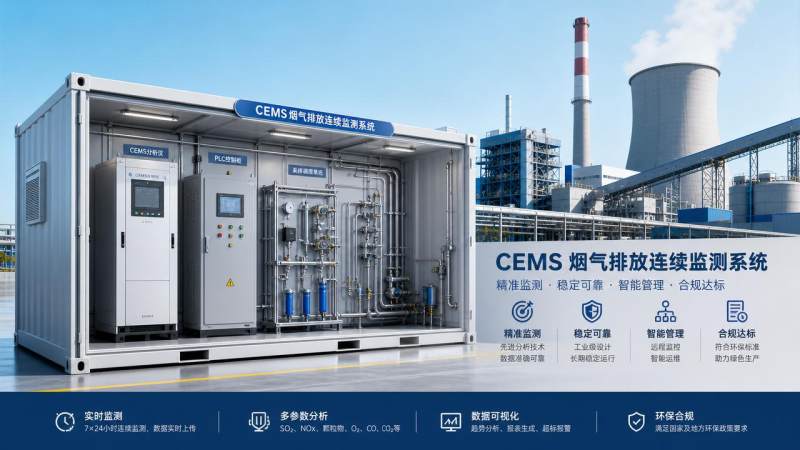
Demand patterns are changing because project owners are balancing three pressures at once: tighter emission oversight, shorter construction windows, and stronger expectations for digital visibility. In many projects, these pressures converge at the instrumentation layer.
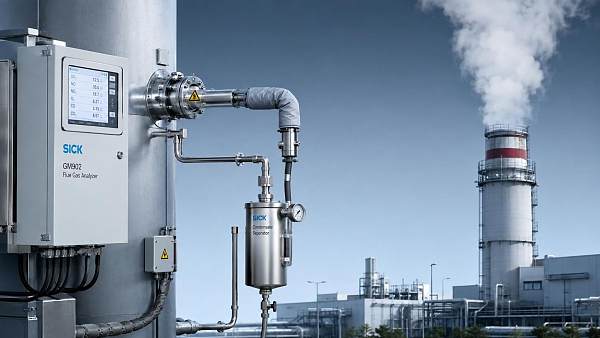
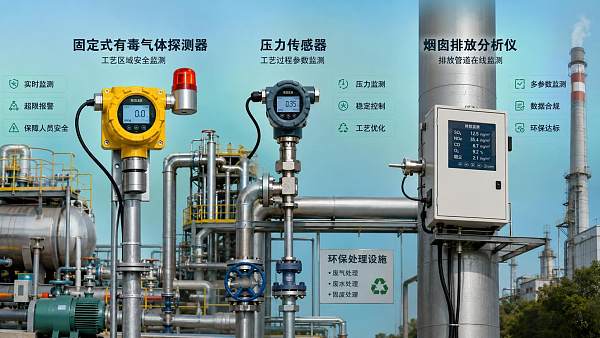
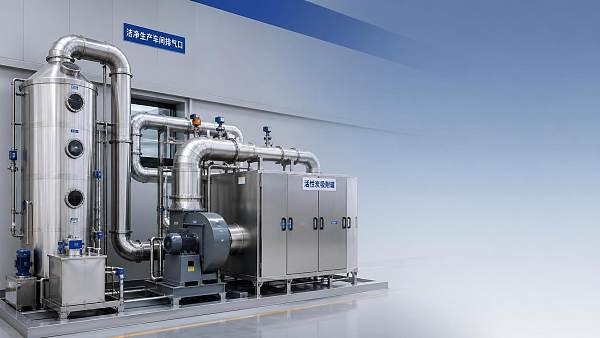
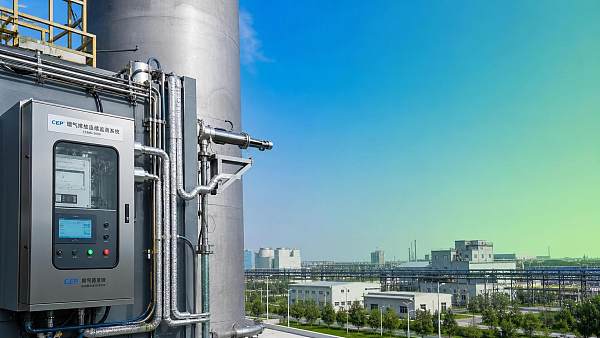
An emission control shelter supports that layer by housing monitoring and control devices in a controlled space. Typical integrated contents include CEMS analyzers, flow instruments, gas sampling lines, power distribution, HVAC, fire and gas systems, and remote communication hardware.
From Static Buildings to Modular Compliance Assets
Older industrial projects often used conventional field rooms or site-built analyzer houses. Today, modular shelters are preferred where schedules run on 8- to 16-week equipment windows and site labor is limited. Factory assembly improves inspection consistency and reduces on-site interface risk.
For business evaluators, this is important because modularization changes the cost profile. Instead of multiple contractors handling civil works, enclosure fabrication, cabling, HVAC, and instrument mounting separately, 4 to 6 work packages may be consolidated into one integrated delivery scope.
Industrial Segments Driving Higher Shelter Demand
Not all sectors are driving demand in the same way. Power plants emphasize continuous emissions monitoring and equipment reliability. Manufacturing facilities often prioritize compact installation, retrofit compatibility, and low maintenance. Infrastructure and environmental projects usually focus on remote operation and data transmission stability.
This means the best emission control shelter is application-specific rather than generic. A shelter for a refinery stack monitoring point may require corrosion resistance, purge options, and hazardous-area compliance, while a municipal environmental station may prioritize insulation, service access, and year-round thermal control.
The table below shows how buyer priorities typically shift across major industrial project categories.
The key takeaway is that demand growth is not only about stricter standards. It is also tied to project delivery models, modular engineering practices, and the increasing dependence of emission compliance on reliable instrumentation performance.
Common Triggers Behind New Procurement Reviews
- Site conditions exceed normal analyzer operating limits, such as ambient temperatures below -10°C or above 45°C.
- Projects need factory-tested modules to reduce commissioning exposure during 2- to 4-week startup windows.
- Instrumentation packages require secure housing for multiple systems in one skid or shelter footprint.
- Operators want cleaner cable management, easier maintenance paths, and safer technician access.
What Business Evaluators Should Measure Before Approval
A sound purchasing decision depends on measurable criteria. For emission control shelter evaluations, the most useful framework combines 4 dimensions: environmental suitability, instrumentation integration, delivery risk, and lifecycle serviceability.
These dimensions help evaluators compare offers that may look similar in enclosure size or material but differ significantly in thermal performance, access design, internal layout, and support readiness.
1. Environmental and Mechanical Suitability
The shelter must protect sensitive instruments from weather, dust, corrosive exposure, and thermal instability. Common review points include external material, insulation specification, ingress protection, ventilation method, and whether the design supports hazardous or non-hazardous installation areas.
For many analyzer and control packages, an internal operating range of 18°C to 28°C is desirable for stable measurement. Relative humidity control, anti-condensation features, and air filtration also affect signal accuracy and component life.
2. Instrumentation Layout and Service Access
Instrumentation performance does not depend only on device quality. Internal layout matters. Technicians need safe access to sample systems, calibration ports, control panels, and maintenance points without disturbing adjacent equipment.
A practical review includes door placement, aisle clearance, cable segregation, sample line routing, and service zones. In compact shelters, even 600 mm to 800 mm of access space can influence maintenance time and operator safety.
3. Electrical, Control, and Data Integration
A modern emission control shelter often functions as a control node, not just a protective room. Evaluators should check provisions for power distribution, UPS support, PLC or RTU installation, network switches, serial or Ethernet communication, and local HMI access.
For digital projects, pre-engineered integration can shorten field wiring and testing by 10% to 25%. This is especially useful when the shelter must exchange data with plant historians, environmental reporting platforms, or central control rooms.
4. Delivery, Testing, and Lifecycle Service
Commercial evaluations should include factory acceptance scope, documentation quality, spare parts planning, and future maintainability. A lower-cost offer may appear competitive initially but create risk if testing is limited or service access is poorly designed.
Typical factory work may include enclosure assembly, panel wiring, instrument mounting, loop checks, HVAC testing, and pre-shipment inspection. Where possible, evaluators should request a 3-stage review process: design confirmation, factory inspection, and site acceptance.
The following table summarizes practical checkpoints that help compare competing emission control shelter proposals.
This comparison framework helps evaluators move beyond simple price analysis. It reveals whether the shelter will support stable measurement, efficient maintenance, and lower integration risk across the full operating life of the project.
Key Design Priorities in Instrumentation-Driven Projects
In instrumentation-heavy applications, the shelter must be designed around process measurement needs rather than treated as a generic enclosure. That distinction is critical when sample handling, calibration routines, and control loops all operate in the same protected space.
Analyzer Stability and Sample Integrity
Where continuous emissions monitoring is involved, stable internal conditions protect analyzer accuracy and sample system performance. Uneven temperatures, condensation, or dust ingress can affect optics, electronics, and tubing reliability.
Business evaluators should review whether the emission control shelter design supports heated lines, sample conditioning, drainage management, and calibration gas handling. Even minor layout errors can increase service time or compromise data consistency over repeated operating cycles.
Power Quality and Control Continuity
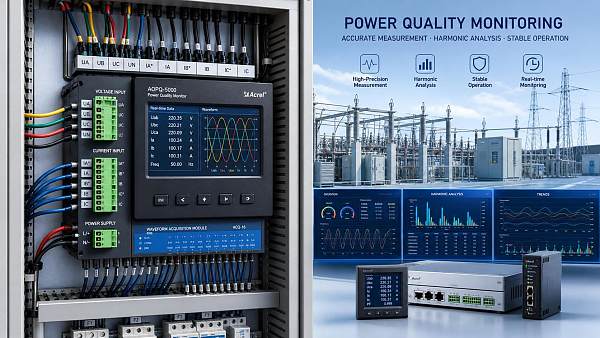
Instrumentation shelters often contain analyzers, transmitters, local control units, and communication devices with different power sensitivities. Electrical design should consider load segregation, grounding strategy, and backup power for critical components.
A short power disturbance may be manageable for lighting or ventilation, but it can be costly for online analyzers requiring warm-up or recalibration. In many applications, even 15 to 30 minutes of recovery can disrupt reporting continuity.
Recommended Design Review Checklist
- Confirm operating temperature range and HVAC sizing against local climate extremes.
- Verify internal layout for technician access, calibration activity, and replacement of major devices.
- Check cable, tubing, and gas line segregation to reduce interference and maintenance confusion.
- Review alarm interfaces, remote connectivity, and local control visibility.
- Assess whether future expansion for 1 to 3 additional instruments is possible.
Material Selection and Durability
Material choice affects more than appearance. Carbon steel, stainless steel, and composite constructions each fit different environments. Coastal, chemical, or dusty sites often justify stronger corrosion control or sealing measures despite a higher upfront cost.
For evaluators, the right question is not simply which material costs less today. It is which specification best supports 5- to 15-year operation with predictable maintenance and minimal disruption to the instrumentation package.
Procurement Risks, Misjudgments, and How to Avoid Them
Many procurement issues arise when emission control shelter selection is treated as an enclosure-only purchase. That approach can overlook integration detail and create downstream cost through rework, unstable measurements, or difficult service conditions.
Mistaking Basic Protection for Full Functional Readiness
A shelter can be weatherproof yet still underperform operationally. Common gaps include insufficient cooling, poor internal circulation, weak cable organization, and no allowance for calibration or replacement access. These issues may not appear in early commercial comparison sheets.
Evaluators should ask for layout drawings, load calculations, device lists, and testing scope instead of comparing only external dimensions and shell material. A modest design upgrade at purchase stage may avoid repeated field intervention later.
Underestimating Commissioning and Site Interface Costs
The initial quote may exclude cable termination, software integration, sample line finalization, purge setup, or FAT witness support. These omissions can shift budget pressure into site work, where labor costs and delay exposure are often higher.
In projects with compressed startup timelines, a 1-week delay in shelter readiness can affect analyzer validation, environmental reporting preparation, and handover milestones. This is why detailed scope alignment matters as much as equipment cost.
Ignoring Service Access and Spare Strategy
An emission control shelter is expected to support long-term inspection, calibration, and occasional replacement work. If service access is too narrow or spare items are not considered early, operating costs can rise steadily over the first 12 to 24 months.
For business evaluators, maintenance visibility is a commercial topic, not only an engineering one. The easier it is to inspect, clean, calibrate, and replace components, the lower the risk of costly downtime and contractor dependence.
Practical Procurement Questions
- What is included in factory testing, and which items remain for site verification?
- What internal temperature and humidity performance is expected under peak ambient conditions?
- How are future instrument additions or configuration changes accommodated?
- Which spare parts are recommended for the first 12 months of operation?
- What support response timeframe is available for commissioning or troubleshooting?
How to Translate Shelter Demand Trends Into Better Investment Decisions
For business evaluators, the current demand shift is best understood as a move toward integrated, performance-focused shelter packages. Buyers are no longer selecting only a housing structure. They are selecting an operating platform for emissions instrumentation, automation, and data confidence.
The strongest investment case usually appears where the emission control shelter improves three outcomes at once: faster deployment, more reliable measurement, and easier lifecycle support. When those factors align, the shelter contributes directly to project readiness rather than acting as a passive accessory.
If your team is reviewing new industrial, energy, environmental, or infrastructure projects, focus on shelter suitability at the same time as analyzer and control system evaluation. A coordinated review can reduce hidden costs, improve commissioning confidence, and strengthen long-term operating value.
To discuss application requirements, compare configuration options, or obtain a tailored emission control shelter recommendation for your instrumentation scope, contact us today and get a solution aligned with your project schedule, compliance goals, and operational priorities.
Recommended for You
 When does process gas monitoring need continuous measurement?Process gas monitoring needs continuous measurement when rapid changes threaten safety, quality, compliance, or uptime. Learn how to specify reliable, actionable monitoring systems.
 How to prevent false alarms in power plant instrumentationPower plant instrumentation guide: prevent false alarms with reliable signal checks, smarter alarm settings, mode-based control, and actionable operator responses.
 How fixed gas detectors help prevent leaks in enclosed workspacesFixed gas detectors provide continuous leak monitoring in enclosed workspaces, enabling faster alarms, safer responses, and stronger protection for people and processes.
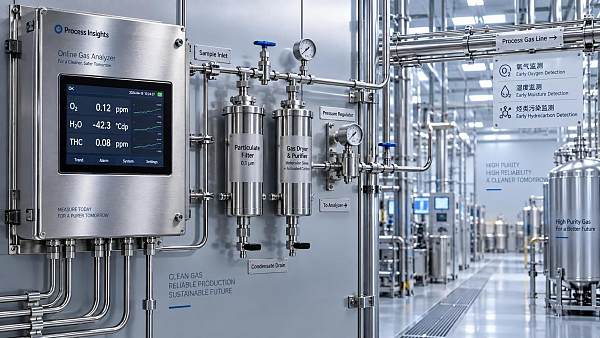
 How industrial gas analysis helps detect process contamination earlyIndustrial Gas Analysis helps detect oxygen, moisture, and hydrocarbon contamination early, enabling faster fault isolation, safer operations, and stronger process control.
 What drives environmental compliance continuous monitoring setup cost?Environmental compliance continuous monitoring setup cost: uncover hidden expenses, compare bids accurately, and build a reliable, audit-ready system.
 How to select gas analysis equipment for continuous emissions monitoringGas analysis equipment selection guide for reliable continuous emissions monitoring—compare technologies, sampling, calibration, compliance, and maintenance needs.
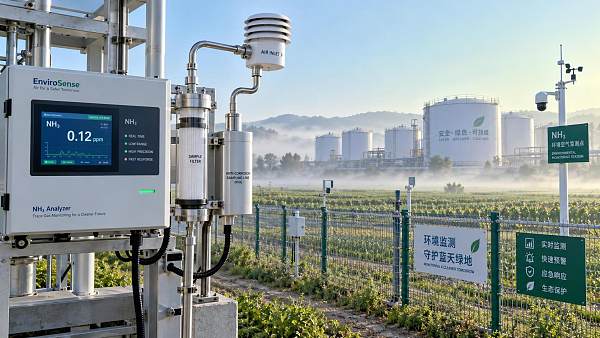
 What detection limit is needed for NH3 environmental monitoring?High accuracy NH3 analyzer for environmental monitoring: learn how to set the right detection limit, improve sampling reliability, and make defensible decisions.
 How to select a NOX analyzer for power plant emissions complianceNOX analyzer for power plant emissions: learn how to select a compliant, reliable CEMS solution with the right range, sample handling, calibration, and data integrity.
 How to evaluate a laser gas analyzer manufacturer in GermanyLaser gas analyzer manufacturer in Germany: compare accuracy, sample handling, interference control, calibration, and service to select a reliable solution.
 How does a flue gas analyzer maintain accuracy in wet stack gas?Flue gas analyzer accuracy in wet stack gas depends on heated sampling, moisture correction, reliable sensors, and calibration. Explore key selection tips.
 What makes equipment suitable for a hazardous environment?Hazardous Environment equipment selection explained: certification, ignition control, materials, installation, and maintenance for safer operations.
 How Can Fugitive Emission Monitoring Results Be Validated?How to validate fugitive emission monitoring results: learn calibration, field documentation, data-quality checks, and compliance comparisons for credible, decision-ready reports.
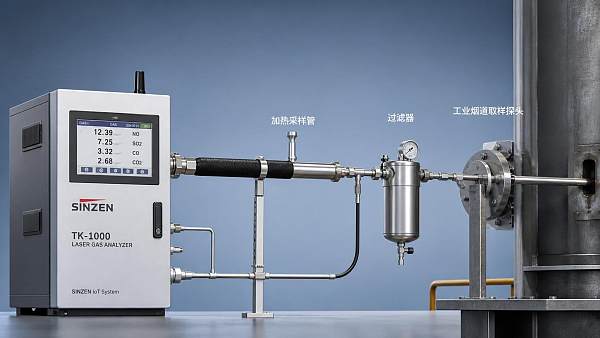
 Do Stack Testing Instruments Need Heated Sample Lines?Do stack testing instruments need heated sample lines? Learn when heating protects sample integrity, prevents condensation, and improves reliable emissions measurements.
 What Are the Risks of Using Low-Cost Electrochemical Gas Analyzers?What are the risks of using low-cost electrochemical gas analyzers? Explore calibration drift, cross-sensitivity, safety, and compliance concerns before you buy.
 How Long Does It Take to Integrate a Custom Emission Monitoring Solution?How long does it take to integrate a custom emission monitoring solution? Explore timelines, site readiness, data integration, and validation factors.
 Is Industrial Safety Monitoring the Same as Emission Monitoring?is industrial safety monitoring the same as emission monitoring? Learn the key differences in purpose, alarms, compliance, and instrument selection for safer operations.
 What Monthly Maintenance Does a Wireless Measurement Node Need?What maintenance does a wireless measurement node need monthly? Explore practical checks for battery health, signal quality, sensor accuracy, enclosures, and reliable data.
 Can Measurement and Control Systems Handle Corrosive Flue Gas?Can measurement and control systems handle corrosive flue gas? Discover proven design strategies for reliable sensing, sampling, materials, and maintenance.
 How Can Data Logging Instruments Pass an Environmental Audit?Learn how to ensure data logging instruments pass environmental audit with proven calibration, data integrity, alarm control, and traceable compliance records.
 What Are the Common Pitfalls of Integrating Multiple Gas Analyzers?What are common pitfalls when integrating multiple gas analyzers? Discover how sampling, timing, calibration, and data integration risks affect reliable decisions.
 Is Predictive Analytics for Emission Control Useful or Just Hype?Is predictive analytics useful for emission control or just hype? Discover how reliable data, CEMS, and practical pilots can reduce risk and support compliance.
 How to select a hydrogen analyzer for petrochemical process safetyHydrogen analyzer for petrochemical industry selection guide: compare technologies, sample systems, response time, and safety certifications for reliable process protection.
 When does a thermal conductivity detector outperform an FID?Thermal conductivity detector vs. FID: discover when TCD is the smarter choice for permanent gases, bulk analysis, non-destructive detection, and reliable GC method design.
 What certification should you verify before buying an IECEx analyzer?IECEx analyzer buyers: verify the Certificate of Conformity, Ex marking, special conditions, and exact configuration before purchase. Avoid costly compliance risks.
 How oxygen analysis helps prevent incomplete combustionOxygen analysis helps prevent incomplete combustion by optimizing air-to-fuel balance, reducing fuel waste, improving burner safety, and supporting emissions control.
 How to size an industrial gas system for stable peak demandIndustrial gas system sizing guide for stable peak demand. Learn how to assess flow, pressure drop, buffer storage, purity, redundancy, and commissioning for reliable production.
 How to choose a process sensor for high-temperature applicationsProcess sensor selection for high-temperature applications: compare thermal limits, materials, accuracy, installation, and maintenance to secure reliable control data.
 When does continuous analysis improve industrial process control?Continuous analysis improves industrial process control with timely composition data that supports faster decisions, higher quality, safer operations, and less waste.
 How to choose emission control systems for variable industrial loadsEmission Control solutions for variable industrial loads: learn how to match technology, controls, monitoring, and lifecycle costs for reliable compliance.
 How continuous emissions monitoring supports reliable emission reductionEmission Reduction relies on reliable continuous emissions monitoring. Discover how accurate data, calibration, and process insights support compliance and smarter control.
 When does it make sense to automate a production line?Production Line automation makes sense when processes are stable, measurable, and repeatable. Learn the key signals, risks, and ROI triggers before you invest.
 What accuracy should a monitoring device deliver in power quality applicationsMonitoring Device accuracy in power quality applications affects compliance, troubleshooting, and decision confidence. Learn what specs, standards, and installation factors truly matter.





Search Categories
Search Categories
- Smart Meters & Power Quality
- Transformer Gas Analyzers
- BESS Thermal Runaway Detectors
- Energy, Power & Smart Grid Monitoring
- Optical Profilers & CMM
- Ultrasonic & X-Ray NDT
- Calibration Standards
- Precision Metrology & NDT
- Water Quality Analyzers
- CEMS & VOCs Monitors
- Price Trends
- Import & Export Updates
- Market Trends
- Industry News
- Industry Insights
Latest Article
- When does process gas monitoring need continuous measurement?Process gas monitoring needs continuous measurement when rapid changes threaten safety, quality, compliance, or uptime. Learn how to specify reliable, actionable monitoring systems.Posted by:
- How to prevent false alarms in power plant instrumentationPower plant instrumentation guide: prevent false alarms with reliable signal checks, smarter alarm settings, mode-based control, and actionable operator responses.Posted by:
- How fixed gas detectors help prevent leaks in enclosed workspacesFixed gas detectors provide continuous leak monitoring in enclosed workspaces, enabling faster alarms, safer responses, and stronger protection for people and processes.Posted by:
Please give us a message
