
Industrial Control Analyzer Cost Factors in 2026


In 2026, the cost of an industrial control analyzer will be shaped by far more than hardware specifications.
Pricing now depends on accuracy, protocols, compliance, lifecycle support, cybersecurity readiness, and supplier reliability across global supply chains.
As automation becomes more data-driven and risk-sensitive, understanding these cost factors helps reduce downtime and improve long-term operational value.
Industrial Control Analyzer Cost Factors in 2026: What Is Really Being Priced?
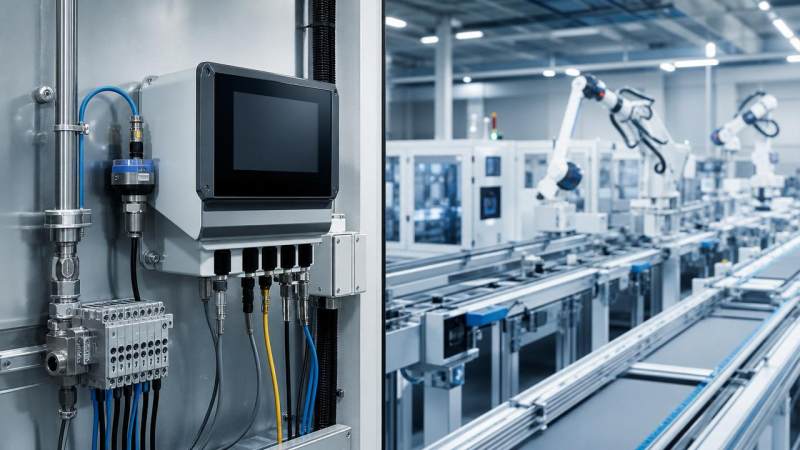
An industrial control analyzer is not only a measurement device. It is part of a control loop, data chain, and safety architecture.
Its price reflects how reliably it detects variables, transfers signals, resists harsh environments, and supports regulated operations.
In 2026, the industrial control analyzer market is influenced by digital transformation, supply chain restructuring, and stricter compliance expectations.
A low purchase price may hide costs in calibration, integration, downtime, cybersecurity gaps, or limited spare parts availability.
A higher price may be justified when the analyzer improves process stability, reduces manual testing, and supports predictive maintenance.
Key pricing layers behind an industrial control analyzer
- Sensor principle and measurement range.
- Accuracy, repeatability, and response time.
- Industrial communication protocols.
- Explosion-proof, hygienic, or environmental certifications.
- Software, diagnostics, and cybersecurity features.
- Installation, calibration, maintenance, and lifecycle support.
Why Does Measurement Accuracy Change the Cost So Much?
Accuracy is one of the strongest cost drivers for an industrial control analyzer because it affects both design and validation.
Higher accuracy usually requires better sensors, stable electronics, advanced compensation algorithms, and tighter factory calibration.
For pressure, flow, temperature, gas, liquid, and composition analysis, small errors can affect yield, safety, emissions, or quality.
The relevant question is not always “highest accuracy.” It is “required accuracy under real operating conditions.”
A laboratory-grade specification may be unnecessary for a utility monitoring loop with broad process tolerance.
However, under chemical dosing, emissions monitoring, pharmaceutical utilities, or custody-related measurement, precision can justify premium pricing.
What should be checked before paying for premium accuracy?
- Is the stated accuracy valid across the full temperature range?
- Does the specification include drift over time?
- Is repeatability more important than absolute accuracy?
- Does calibration require traceability to ISO/IEC 17025?
- Can the control system use the extra precision effectively?
A well-selected industrial control analyzer balances process risk, control objective, and total lifecycle cost.
How Do Communication Protocols Affect Industrial Control Analyzer Pricing?
Communication capability increasingly changes the price of an industrial control analyzer in modern automation environments.
Basic analog outputs remain common, but digital plants often require HART, Modbus, Profibus, Profinet, Ethernet/IP, OPC UA, or MQTT.
Protocol support affects hardware interfaces, firmware development, certification testing, diagnostics, and cybersecurity controls.
A lower-cost industrial control analyzer may transmit a measurement value only. A smarter model may provide diagnostics, events, and health status.
Those extra data points can support predictive maintenance, remote troubleshooting, and reduced field inspection frequency.
When is digital connectivity worth the extra cost?
Digital connectivity is valuable when analyzer data feeds a distributed control system, SCADA platform, historian, or cloud analytics layer.
It also matters when uptime depends on early warning signals rather than reactive maintenance.
For isolated or non-critical monitoring, simpler connectivity may remain practical and more cost-effective.
Which Compliance Requirements Add Cost in 2026?
Compliance is a major pricing variable for any industrial control analyzer used in regulated or hazardous environments.
Certifications require engineering documentation, type testing, quality audits, and controlled production processes.
Common requirements include ATEX, IECEx, CE, UL, SIL assessment, IP protection, EMC testing, and metrology traceability.
In hygienic or life science environments, material certificates, cleanability, FDA-related expectations, and validation support may also apply.
In environmental applications, an industrial control analyzer may need emissions, water quality, or continuous monitoring approval.
Why should compliance be evaluated early?
Late compliance review can cause redesign, delayed commissioning, or rejected equipment during site acceptance.
A certified industrial control analyzer may cost more initially but reduce approval risk and documentation workload.
The best comparison includes both purchase price and the cost of proving suitability.
What Hidden Lifecycle Costs Should Be Included?
The lifecycle cost of an industrial control analyzer often exceeds the initial purchase cost.
Maintenance access, calibration frequency, consumables, spare parts, software updates, and field service all influence ownership economics.
Some analyzers require frequent sensor replacement, gas bottles, reagents, filters, sample conditioning, or specialist service tools.
Others use more robust sensing principles but cost more at purchase.
The best value depends on operating hours, media difficulty, environmental stress, and downtime cost.
Lifecycle cost checklist
- Expected calibration interval and calibration method.
- Consumable type, price, and replacement frequency.
- Availability of local spare parts.
- Mean time between failures and repair history.
- Remote diagnostics and firmware update policy.
- Training requirements for safe maintenance.
An industrial control analyzer with fewer interventions can be less expensive over five years, even with a higher purchase price.
How Important Are Cybersecurity and Software Features?
Cybersecurity is no longer optional for a networked industrial control analyzer.
When devices connect to control networks, historians, engineering stations, or remote monitoring systems, security weaknesses become operational risks.
Security features may include user access control, encrypted communication, secure boot, audit logs, signed firmware, and vulnerability disclosure procedures.
These functions increase development and support costs, but they can reduce exposure to unauthorized changes or data manipulation.
Software also affects usability. Good diagnostics can shorten fault isolation and reduce unnecessary device replacement.
Which software features usually justify higher pricing?
- Self-diagnostics with actionable fault codes.
- Condition monitoring and predictive alerts.
- Configuration backup and restoration.
- Role-based access control.
- Secure firmware update mechanisms.
- Integration with asset management systems.
How Should Supplier Reliability Be Compared?
Supplier reliability can significantly change the real cost of an industrial control analyzer.
A technically strong device becomes risky if documentation is weak, lead times are unstable, or support is slow.
Global supply chains remain sensitive to component shortages, logistics disruptions, and certification differences between regions.
Reliable sourcing should examine engineering capability, manufacturing consistency, quality systems, and after-sales structure.
Global Instrument Hub emphasizes high-confidence supplier research for instrumentation, automation control, and measurement technologies.
This approach helps reduce information asymmetry when comparing an industrial control analyzer across complex international markets.
Supplier questions that affect final cost
- Can the supplier provide complete certificates and test reports?
- Are spare parts guaranteed for a defined lifecycle?
- Is technical support available across required regions?
- Are firmware updates documented and controlled?
- Can the supplier support FAT, SAT, and commissioning?
Industrial Control Analyzer Cost Comparison Table
FAQ: Common Questions About Industrial Control Analyzer Cost
Is the cheapest industrial control analyzer ever the best choice?
It can be suitable for low-risk monitoring with simple signals and easy replacement.
It is rarely the best choice where failure causes shutdowns, compliance issues, or safety exposure.
What price difference is normal between basic and advanced models?
The difference depends on sensor principle, hazardous approvals, communication options, and service package.
An advanced industrial control analyzer may cost more upfront but reduce maintenance and integration costs.
Should calibration cost be included in the budget?
Yes. Calibration affects reliability, audit readiness, and measurement confidence.
Include tools, reference standards, downtime, labor, and third-party calibration fees where applicable.
Does a smart industrial control analyzer always save money?
Not always. Savings depend on whether diagnostics and connectivity are actually used.
Smart features create value when maintenance processes and control systems can act on the data.
How can global sourcing risk be reduced?
Verify certificates, production capability, reference installations, spare parts policy, and technical documentation.
Independent industry intelligence can improve confidence when comparing multiple industrial control analyzer suppliers.
Conclusion: How to Build a Smarter 2026 Budget
The 2026 cost of an industrial control analyzer should be evaluated as a complete operational investment.
Accuracy, integration, compliance, cybersecurity, serviceability, and supplier dependability all influence the real price.
A practical next step is to define the measurement purpose, risk level, required certifications, and lifecycle expectations before comparing quotations.
With structured intelligence from Global Instrument Hub, decisions around industrial control analyzer selection can become clearer, safer, and more cost-effective.
Recommended for You
 When does process gas monitoring need continuous measurement?Process gas monitoring needs continuous measurement when rapid changes threaten safety, quality, compliance, or uptime. Learn how to specify reliable, actionable monitoring systems.
 How to prevent false alarms in power plant instrumentationPower plant instrumentation guide: prevent false alarms with reliable signal checks, smarter alarm settings, mode-based control, and actionable operator responses.
 How fixed gas detectors help prevent leaks in enclosed workspacesFixed gas detectors provide continuous leak monitoring in enclosed workspaces, enabling faster alarms, safer responses, and stronger protection for people and processes.
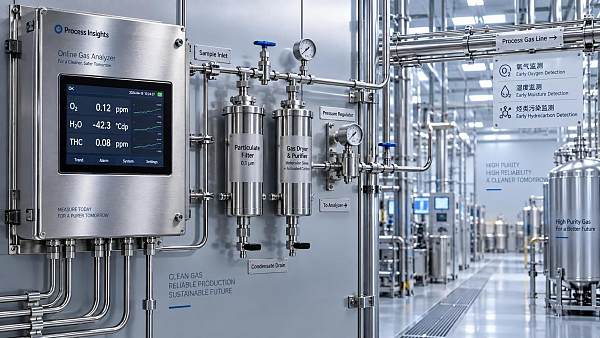
 How industrial gas analysis helps detect process contamination earlyIndustrial Gas Analysis helps detect oxygen, moisture, and hydrocarbon contamination early, enabling faster fault isolation, safer operations, and stronger process control.
 What drives environmental compliance continuous monitoring setup cost?Environmental compliance continuous monitoring setup cost: uncover hidden expenses, compare bids accurately, and build a reliable, audit-ready system.
 How to select gas analysis equipment for continuous emissions monitoringGas analysis equipment selection guide for reliable continuous emissions monitoring—compare technologies, sampling, calibration, compliance, and maintenance needs.
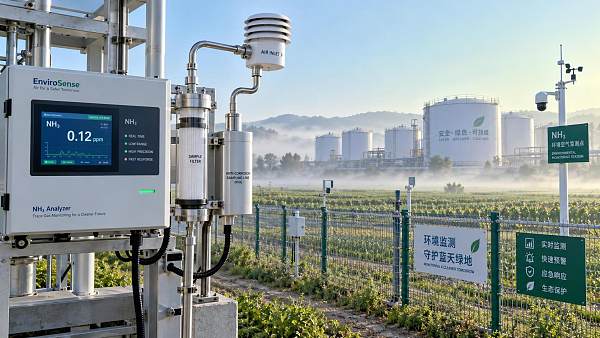
 What detection limit is needed for NH3 environmental monitoring?High accuracy NH3 analyzer for environmental monitoring: learn how to set the right detection limit, improve sampling reliability, and make defensible decisions.
 How to select a NOX analyzer for power plant emissions complianceNOX analyzer for power plant emissions: learn how to select a compliant, reliable CEMS solution with the right range, sample handling, calibration, and data integrity.
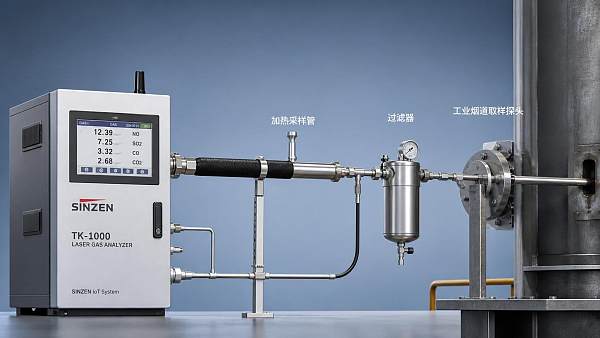
 How to evaluate a laser gas analyzer manufacturer in GermanyLaser gas analyzer manufacturer in Germany: compare accuracy, sample handling, interference control, calibration, and service to select a reliable solution.
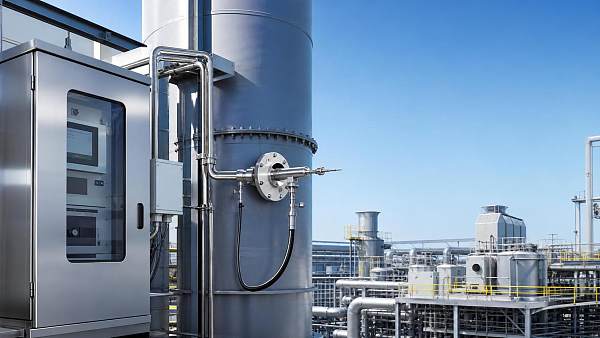
 How does a flue gas analyzer maintain accuracy in wet stack gas?Flue gas analyzer accuracy in wet stack gas depends on heated sampling, moisture correction, reliable sensors, and calibration. Explore key selection tips.
 What makes equipment suitable for a hazardous environment?Hazardous Environment equipment selection explained: certification, ignition control, materials, installation, and maintenance for safer operations.
 How Can Fugitive Emission Monitoring Results Be Validated?How to validate fugitive emission monitoring results: learn calibration, field documentation, data-quality checks, and compliance comparisons for credible, decision-ready reports.
 Do Stack Testing Instruments Need Heated Sample Lines?Do stack testing instruments need heated sample lines? Learn when heating protects sample integrity, prevents condensation, and improves reliable emissions measurements.
 What Are the Risks of Using Low-Cost Electrochemical Gas Analyzers?What are the risks of using low-cost electrochemical gas analyzers? Explore calibration drift, cross-sensitivity, safety, and compliance concerns before you buy.
 How Long Does It Take to Integrate a Custom Emission Monitoring Solution?How long does it take to integrate a custom emission monitoring solution? Explore timelines, site readiness, data integration, and validation factors.
 Is Industrial Safety Monitoring the Same as Emission Monitoring?is industrial safety monitoring the same as emission monitoring? Learn the key differences in purpose, alarms, compliance, and instrument selection for safer operations.
 What Monthly Maintenance Does a Wireless Measurement Node Need?What maintenance does a wireless measurement node need monthly? Explore practical checks for battery health, signal quality, sensor accuracy, enclosures, and reliable data.
 Can Measurement and Control Systems Handle Corrosive Flue Gas?Can measurement and control systems handle corrosive flue gas? Discover proven design strategies for reliable sensing, sampling, materials, and maintenance.
 How Can Data Logging Instruments Pass an Environmental Audit?Learn how to ensure data logging instruments pass environmental audit with proven calibration, data integrity, alarm control, and traceable compliance records.
 What Are the Common Pitfalls of Integrating Multiple Gas Analyzers?What are common pitfalls when integrating multiple gas analyzers? Discover how sampling, timing, calibration, and data integration risks affect reliable decisions.
 Is Predictive Analytics for Emission Control Useful or Just Hype?Is predictive analytics useful for emission control or just hype? Discover how reliable data, CEMS, and practical pilots can reduce risk and support compliance.
 How to select a hydrogen analyzer for petrochemical process safetyHydrogen analyzer for petrochemical industry selection guide: compare technologies, sample systems, response time, and safety certifications for reliable process protection.
 When does a thermal conductivity detector outperform an FID?Thermal conductivity detector vs. FID: discover when TCD is the smarter choice for permanent gases, bulk analysis, non-destructive detection, and reliable GC method design.
 What certification should you verify before buying an IECEx analyzer?IECEx analyzer buyers: verify the Certificate of Conformity, Ex marking, special conditions, and exact configuration before purchase. Avoid costly compliance risks.
 How oxygen analysis helps prevent incomplete combustionOxygen analysis helps prevent incomplete combustion by optimizing air-to-fuel balance, reducing fuel waste, improving burner safety, and supporting emissions control.
 How to size an industrial gas system for stable peak demandIndustrial gas system sizing guide for stable peak demand. Learn how to assess flow, pressure drop, buffer storage, purity, redundancy, and commissioning for reliable production.
 How to choose a process sensor for high-temperature applicationsProcess sensor selection for high-temperature applications: compare thermal limits, materials, accuracy, installation, and maintenance to secure reliable control data.
 When does continuous analysis improve industrial process control?Continuous analysis improves industrial process control with timely composition data that supports faster decisions, higher quality, safer operations, and less waste.
 How to choose emission control systems for variable industrial loadsEmission Control solutions for variable industrial loads: learn how to match technology, controls, monitoring, and lifecycle costs for reliable compliance.
 How continuous emissions monitoring supports reliable emission reductionEmission Reduction relies on reliable continuous emissions monitoring. Discover how accurate data, calibration, and process insights support compliance and smarter control.
 When does it make sense to automate a production line?Production Line automation makes sense when processes are stable, measurable, and repeatable. Learn the key signals, risks, and ROI triggers before you invest.
 What accuracy should a monitoring device deliver in power quality applicationsMonitoring Device accuracy in power quality applications affects compliance, troubleshooting, and decision confidence. Learn what specs, standards, and installation factors truly matter.




Search Categories
Search Categories
- Smart Meters & Power Quality
- Transformer Gas Analyzers
- BESS Thermal Runaway Detectors
- Energy, Power & Smart Grid Monitoring
- Optical Profilers & CMM
- Ultrasonic & X-Ray NDT
- Calibration Standards
- Precision Metrology & NDT
- Water Quality Analyzers
- CEMS & VOCs Monitors
- Price Trends
- Import & Export Updates
- Market Trends
- Industry News
- Industry Insights
Latest Article
- When does process gas monitoring need continuous measurement?Process gas monitoring needs continuous measurement when rapid changes threaten safety, quality, compliance, or uptime. Learn how to specify reliable, actionable monitoring systems.Posted by:
- How to prevent false alarms in power plant instrumentationPower plant instrumentation guide: prevent false alarms with reliable signal checks, smarter alarm settings, mode-based control, and actionable operator responses.Posted by:
- How fixed gas detectors help prevent leaks in enclosed workspacesFixed gas detectors provide continuous leak monitoring in enclosed workspaces, enabling faster alarms, safer responses, and stronger protection for people and processes.Posted by:
Please give us a message
