
Gas Analysis System Price Trends in 2026: What Is Driving Costs


Gas Analysis System price trends in 2026 are being shaped by a mix of component costs, compliance requirements, automation upgrades, and supply chain pressure. For financial decision-makers, understanding what drives the total investment is essential to balancing budget control with long-term operational value. This overview highlights the key cost factors behind Gas Analysis System pricing and what they mean for smarter approval decisions.
Understanding the 2026 Cost Landscape for Gas Analysis System Projects
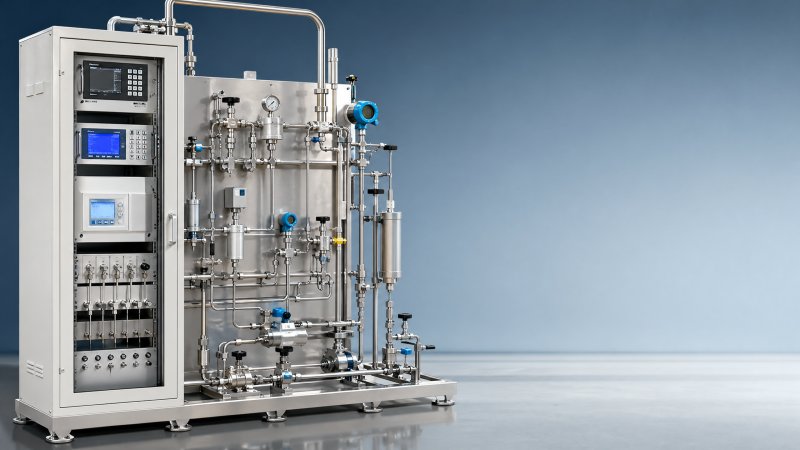
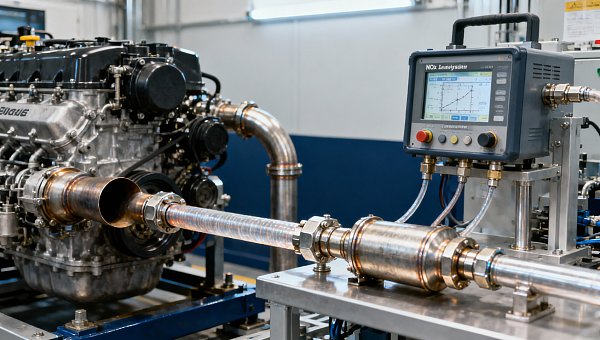
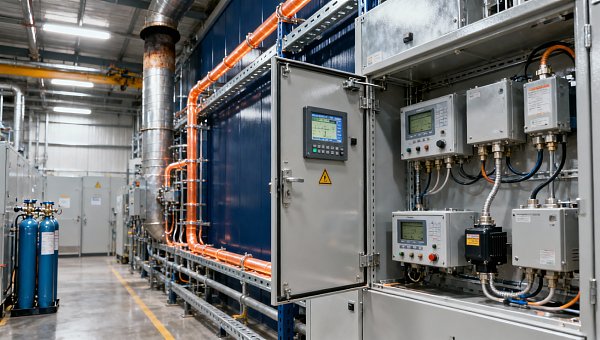
A Gas Analysis System is not a single device in most industrial settings. It is usually an integrated package that may include sampling units, conditioning modules, analyzers, flow control components, cabinets, software, communication interfaces, and installation accessories. In the instrumentation industry, this matters because pricing is rarely determined by the analyzer alone. For finance teams reviewing a 2026 budget, the relevant number is the full system cost over a 5-year to 10-year operating horizon.
In 2026, the market remains sensitive to several overlapping pressures. Electronic components, industrial sensors, corrosion-resistant tubing, valves, pumps, and calibration accessories still show cost variability across lead-time bands such as 6 weeks, 12 weeks, and 20+ weeks. Even when headline equipment prices appear stable, project totals can rise because engineering hours, enclosure upgrades, documentation packages, and certification-related work add cost in less visible ways.
For approval stakeholders, the key issue is not only “How much does a Gas Analysis System cost?” but also “What exactly is included, what creates risk, and which cost elements protect long-term uptime?” This is especially important in power, chemical processing, environmental monitoring, laboratory support, and automated manufacturing lines where an under-scoped system can generate repeated service calls, false alarms, or compliance exposure within the first 12 to 24 months.
Why pricing is receiving more attention in 2026
The financial focus on Gas Analysis System investment has increased because system buyers are no longer evaluating instrumentation only as a capital expense. More organizations now compare total cost of ownership, expected maintenance frequency, integration effort with PLC or DCS platforms, and the operational value of continuous data. A low initial bid may become expensive if calibration intervals are short, spare parts are specialized, or downtime penalties are significant.
Another reason is that more projects now require broader data visibility. A Gas Analysis System that once delivered local readings may now need remote diagnostics, digital communication, historian connectivity, and alarm integration. Each added function can look small on a quote, but across 8 to 15 I/O points or multiple gas channels, the cost impact becomes material for budget approval.
This broader system view aligns with the instrumentation industry’s role in digital modernization. Measurement, monitoring, control, and analytical functions are increasingly expected to support efficiency, safety, and reporting at the same time. As a result, 2026 pricing reflects not just hardware value, but system intelligence, compliance readiness, and engineering reliability.
What Is Driving Gas Analysis System Costs in 2026
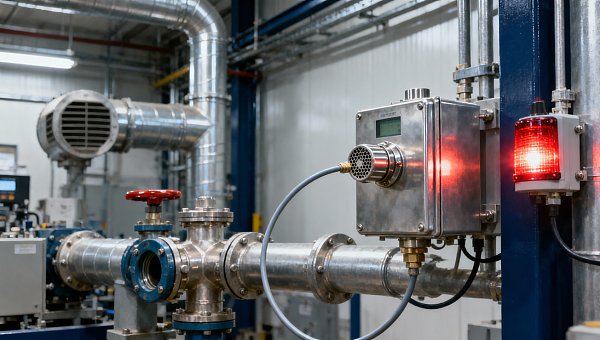
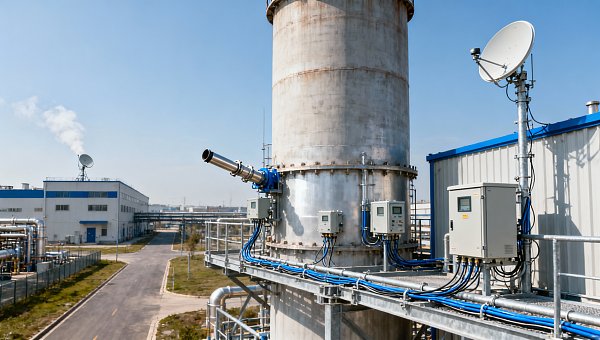
The most important cost drivers can be grouped into hardware, compliance, automation, and delivery factors. A basic single-point Gas Analysis System for a stable indoor environment may have a very different pricing structure from a multi-stream, outdoor, heated, and hazardous-area configuration. In practice, the price difference between these two cases can easily reach 2x to 4x depending on materials, safety requirements, and the complexity of sample conditioning.
Core hardware and material selection
Analyzer technology affects cost significantly. Systems based on oxygen, infrared, thermal conductivity, electrochemical, or other sensing principles have different price bands, maintenance profiles, and application limits. Material choice also matters. Standard industrial metals may be sufficient for benign service, while corrosive, wet, dusty, or high-temperature gas streams often require upgraded tubing, filters, regulators, and wetted parts. These selections are not optional add-ons; they often determine whether the system remains stable after 6 months of field operation.
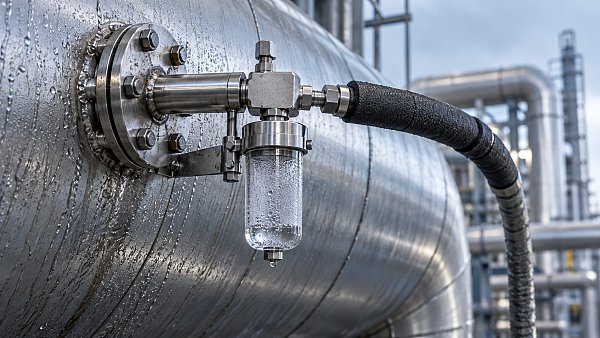
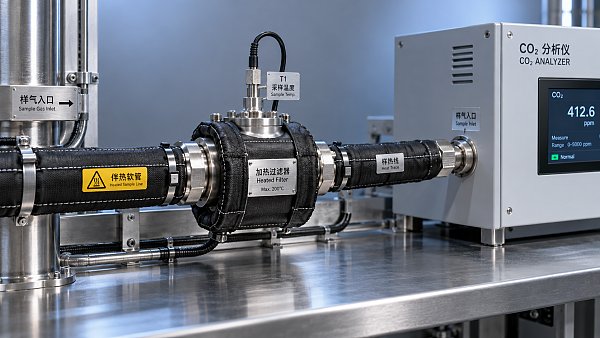
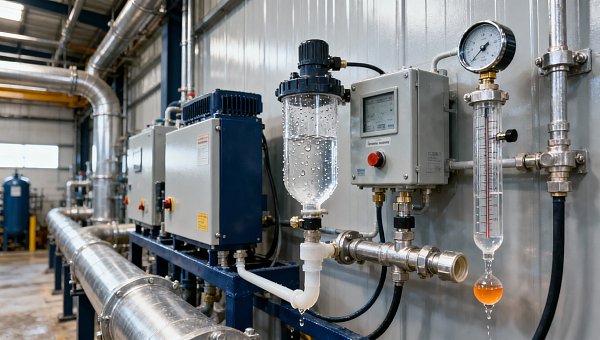
Sample conditioning is another major cost contributor. Many finance reviewers underestimate this section because it is less visible than the analyzer itself. Yet coolers, separators, filters, pressure reduction modules, flow control, heat tracing, and moisture management can account for a substantial portion of the final package. In difficult process environments, conditioning can represent 20% to 40% of total system value.
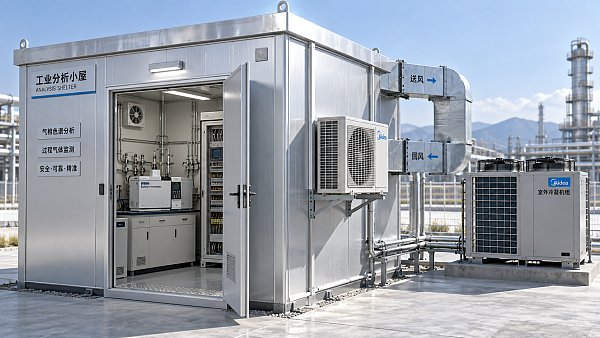
Enclosures and mounting arrangements also influence pricing. A simple panel-mounted arrangement differs greatly from a weatherproof cabinet, and that differs again from a heated or air-conditioned analyzer shelter. Outdoor and plant-wide applications often require stronger environmental protection, cable management, and service access design, all of which increase fabrication and installation cost.
Compliance and engineering documentation
For many sectors, compliance is no longer a secondary issue. Hazardous location requirements, emissions monitoring expectations, process safety procedures, and site documentation standards can add engineering hours even when the hardware list looks similar. Drawings, wiring diagrams, material traceability, test records, and FAT support all require time and review cycles. On a mid-sized Gas Analysis System project, documentation and engineering support may account for 10% to 18% of the quoted amount.
Lead time pressure also affects compliance-related costs. If a project needs expedited review, special factory testing windows, or substitution approval for critical components, administrative and technical overhead can rise. This is often visible in projects with shutdown deadlines or environmental permit milestones, where delay costs are more significant than a modest equipment premium.
For financial approvers, the practical takeaway is simple: when comparing suppliers, check whether engineering, documentation, and testing are clearly included. A lower line-item price may exclude pre-commissioning checks, I/O verification support, or service manuals, creating later spend outside the original capital request.
Typical cost drivers by project type
The table below summarizes how common project conditions influence Gas Analysis System pricing in 2026. It is intended as a budgeting guide rather than a fixed quotation reference.
This comparison shows why broad budget assumptions can be misleading. Two projects may both be labeled as a Gas Analysis System upgrade, yet one is mainly a measurement replacement while the other is a full reliability and compliance redesign. Finance teams usually benefit from asking which environmental, safety, and integration conditions are driving the quoted structure.
Where Financial Value Appears Beyond the Purchase Price
For financial decision-makers, the most useful way to view a Gas Analysis System is through cost avoidance and operational continuity. A system that improves data consistency, reduces manual sampling, or prevents process drift can deliver measurable value even when the purchase price is not the lowest option. In many industrial environments, one unplanned stoppage or one failed environmental threshold event can outweigh the savings from choosing a minimally configured package.
A stronger system may also support labor efficiency. If an upgrade reduces routine intervention from weekly manual checks to monthly verification, operating teams gain time for higher-value tasks. Over a 12-month cycle, this can influence staffing utilization, maintenance planning, and the need for urgent contractor support. These benefits are especially relevant where facilities manage multiple assets across power generation, process plants, manufacturing lines, and environmental stations.
Another value point is asset life. Better sample conditioning, cleaner internal layouts, and suitable materials can extend service intervals and reduce replacement frequency. A finance team comparing quotations should ask not only for warranty information, but also for typical maintenance routines, expected consumables, and recommended calibration schedules such as quarterly, semiannual, or annual service windows.
How application context changes economic value
The economic value of a Gas Analysis System varies by use case. In environmental monitoring, the priority may be stable reporting and traceable data. In energy and power, burner control or combustion efficiency may be the main concern. In industrial production, product quality and process stability may drive the investment case. The same equipment category can therefore support different financial outcomes depending on whether the key objective is safety, efficiency, compliance, or reduced waste.
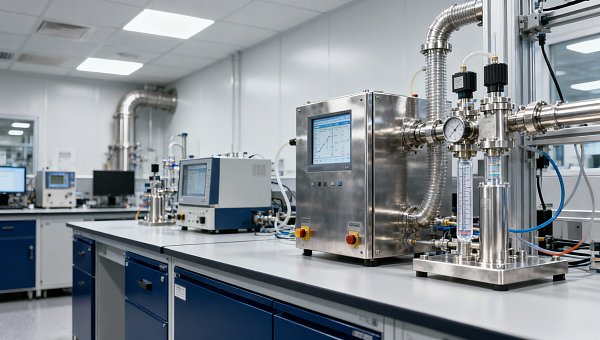
This application sensitivity is one reason generic pricing comparisons often fail. A low-cost analyzer package might be adequate for a laboratory support role with controlled conditions, while a process-critical plant installation may require redundancy, alarms, and stronger diagnostics. Budget approval becomes more accurate when the commercial evaluation is tied to consequence severity and uptime expectations rather than only to equipment count.
In practical terms, approvers should evaluate at least 4 dimensions: operating environment, required response time, reporting obligations, and maintenance accessibility. These four variables often determine whether the quoted Gas Analysis System is economically light, balanced, or under-engineered for the intended role.
- Operating environment: indoor, outdoor, dusty, wet, corrosive, or temperature-variable conditions.
- Process criticality: advisory monitoring versus shutdown-related or compliance-sensitive measurement.
- Data integration needs: local display only, PLC connection, SCADA visibility, or cloud-enabled review.
- Service model: internal maintenance capability versus dependence on external support within 24 to 72 hours.
Typical Gas Analysis System Configurations and Cost Sensitivity
Not every Gas Analysis System follows the same configuration logic. Some projects are analyzer-centered, while others are conditioning-centered or integration-centered. For budget planning, it helps to classify systems by their operational profile rather than by a single product label. This is especially useful in a broad instrumentation context where the same supplier base may serve manufacturing, utilities, laboratories, and environmental stations.
The table below outlines typical system categories and the budget implications attached to each. These ranges are descriptive rather than universal, but they help financial reviewers understand why quotations differ even before supplier selection is finalized.
A useful budgeting insight is that system complexity often grows nonlinearly. Moving from one sample point to four sample points does not simply multiply cost by four, because the architecture may require manifold redesign, purge logic, switching validation, and extra verification. This is why multi-stream Gas Analysis System proposals should be reviewed with both engineering and finance present.
Common warning signs during budget review
When a quotation looks unexpectedly low, there are several issues worth checking. Missing calibration hardware, limited documentation, excluded startup support, or undefined communication scope can all reduce the initial price while increasing future cost. A robust financial review should identify what is excluded, not only what is included.
It is also important to confirm whether spare parts and consumables are standardized. If critical filters, sensors, or valves have limited availability or long replacement lead times, a low upfront price may create hidden risk. In 2026, parts availability still affects service continuity in many industrial instrumentation projects.
Finally, review the support model. A Gas Analysis System used in essential operations may justify a supplier who can support commissioning questions, parameter adjustment, and replacement recommendations within defined response windows. This service element often has real financial value even if it is not the cheapest line on paper.
Practical Evaluation Steps for Financial Approvers
A disciplined approval process can improve both cost control and project performance. The goal is not to choose the most expensive Gas Analysis System, but to verify that the selected scope matches operational needs without creating avoidable lifecycle expense. This approach is especially effective when procurement, engineering, operations, and finance align early instead of resolving gaps after equipment delivery.
A structured review checklist
Before approving a budget, ask for a structured breakdown covering equipment, conditioning, enclosure, controls, documentation, testing, startup support, and expected maintenance items. Quotes that combine all elements into one lump sum are harder to compare and may conceal cost transfer from capital to operations.
- Confirm the gas composition range, pressure, temperature, and moisture conditions at the sampling point.
- Check whether the Gas Analysis System includes sample conditioning suitable for real process conditions, not ideal laboratory assumptions.
- Review integration scope, including analog signals, digital communication, alarms, and data logging expectations.
- Verify delivery timing, such as standard lead time versus expedited supply, and identify components with 12-week or longer risk.
- Ask for expected maintenance intervals, consumable replacement cycles, and recommended spare parts for the first 1 to 2 years.
This method helps finance teams understand whether cost is being reduced through smart simplification or through scope omission. The difference is important. Smart simplification lowers ownership cost without reducing reliability, while omission shifts cost into emergency maintenance, retrofit work, or delayed startup.
Balancing budget discipline with operational resilience
In 2026, prudent approval decisions are usually made by linking budget to consequence. If a Gas Analysis System serves a low-criticality monitoring point, a simpler configuration may be appropriate. If it supports emissions visibility, combustion optimization, or safety-sensitive control, the economic logic changes. Spending 10% to 15% more upfront can be reasonable when it lowers maintenance frequency, improves data confidence, and reduces downtime exposure over several years.
Financial reviewers should also account for project timing. Equipment ordered with a clear specification often avoids change orders later. In many instrumentation projects, late modifications to sampling design, cabinet layout, or communication interfaces are more expensive than early clarification. This is one of the simplest ways to protect budget integrity.
A well-scoped Gas Analysis System should therefore be viewed as part of a broader control and monitoring strategy. Its price trend in 2026 is not driven by one single factor, but by the increasing expectation that analytical systems must be accurate, connected, maintainable, and fit for real industrial conditions.
Why Work With Us on Gas Analysis System Planning
In the instrumentation industry, successful projects depend on more than hardware supply. They require careful matching of measurement needs, process conditions, automation interfaces, and lifecycle expectations. We support customers by helping clarify what a Gas Analysis System should include for the actual application, so financial approval can be based on complete and realistic scope.
If you are reviewing a 2026 budget or comparing proposals, we can assist with parameter confirmation, system configuration review, analyzer and conditioning selection, delivery cycle discussion, and documentation scope alignment. We can also help identify where customization is necessary and where standardization can reduce cost without weakening performance.
Contact us to discuss your Gas Analysis System requirements, including gas composition, installation environment, communication needs, lead-time targets, certification expectations, spare parts planning, and quotation details. A clear technical review at the start often leads to better pricing decisions, smoother project execution, and stronger long-term value.
Recommended for You
 How to choose an air quality analyzer for the pollutants you need to measureChoose an air quality analyzer with confidence. Compare pollutant measurement methods, sampling, accuracy and calibration to find the right fit for your needs.
 How to choose industrial metrology tools for tight tolerancesChoose industrial metrology tools for tight tolerances with confidence. Compare uncertainty, calibration, tool types, and costs to reduce inspection risk.
 How moisture affects fixed analyzer accuracy in stack gas monitoringImprove fixed analyzer accuracy in stack gas monitoring. Discover how moisture causes dilution, interference, and sample loss—and learn practical ways to protect emissions data.
 How does production line speed affect in-line measurement accuracy?Discover how production line speed affects in-line measurement accuracy. Explore sensor response, sampling, and timing to boost throughput without compromising quality.
 How condensation affects HCl concentration analyzer accuracyHCl concentration analyzer accuracy can suffer when condensation traps HCl. Learn how to spot sampling losses, prevent low readings, and improve measurement reliability.
 How does cross-interference affect multi-component gas analyzers?How does cross-interference affect multi component gas analyzers? Explore measurement errors, compensation limits, and validation tips to choose the right system for your process.
 How does temperature affect high-accuracy sensor performance?Explore how temperature affects high accuracy sensor performance. Learn to reduce thermal drift, evaluate compensation, and select the right sensor for reliable measurements.
 Can a C4H8O concentration analyzer distinguish between isomers?Can a C4H8O concentration analyzer distinguish isomers? Compare GC, FTIR and MS methods, uncover selectivity limits, and learn what to validate before choosing your instrument.
 How to identify a reliable supplier using on-time delivery recordsIdentify a Reliable Supplier by verifying on-time delivery records, original commitments, and complete shipments. Learn practical checks to reduce purchasing risk and protect your project schedule.
 How sensitive should a portable hydrogen analyzer be for lab use?Choose a portable hydrogen analyzer for laboratory use with the right quantification limit, accuracy, and range. Learn how to verify performance and avoid costly buying mistakes.
 How to set industrial calibration intervals based on equipment riskSet industrial calibration intervals based on equipment risk, drift, and as-found data. Learn when to shorten or extend schedules to improve reliability and avoid unnecessary costs.
 How to choose electrochemical analyzers for low-current measurementsCompare electrochemical analyzers for precise low-current measurements. Learn how noise, leakage, bandwidth, and real-cell testing help you choose the right instrument.
 What tolerance does a custom gas mixture need for calibration?Choose the right custom gas tolerance for calibration. Learn how blending tolerance, certified uncertainty, and stability affect accuracy—and avoid paying for precision you don’t need.
 How condensation affects stack detector readings in wet flue gasStack detector readings can drift when wet flue gas condenses. Learn how to identify moisture interference, prevent sample losses, and improve emissions monitoring reliability.
 How to prevent condensation in a CO2 analyzer sampling systemPrevent condensation in your CO2 analyzer sampling system. Learn how to control dew point, eliminate cold spots, and manage moisture for reliable readings and fewer costly disruptions.
 How to verify accuracy claims for industrial quality analyzersVerify accuracy claims for industrial quality analyzers with calibration checks, independent testing, and clear acceptance criteria. Learn how to reduce risk and buy with confidence.
 How to calculate cooling loads for an industrial analyzer shelterSize industrial analyzer shelter cooling with confidence. Learn to calculate equipment heat, solar gains, and ventilation loads, then select HVAC capacity for reliable analyzer performance.
 Hydrogen Analyzers for Energy Storage: Purity Monitoring vs. Leak DetectionChoosing a hydrogen analyzer for energy storage systems? Compare purity monitoring and leak detection to select the right sensors, improve safety, and protect fuel cell performance.
 NH3 Monitoring in Fertilizer Plants: Where Should Leak Analyzers Be Installed?NH3 analyzer for fertilizer production: discover where to place leak detectors around storage, compressors, and loading areas to reduce blind spots and improve early warning.
 Diesel Engine NOx Analyzers: Response Time and NO2 Conversion ExplainedChoosing a NOX analyzer for diesel engines? Learn how response time, NO2 conversion, and sampling design affect accuracy—and make a smarter, evidence-based purchase.
 SO2 Analyzers for Smelter Emissions: Sampling Hot, Dust-Laden Flue GasSelect an SO2 analyzer for smelting industry applications. Discover how to handle hot, dust-laden flue gas, prevent sample losses, and achieve reliable emissions monitoring.
 Unstable CH4 Readings in Biogas Monitoring? Check Moisture and Sample FlowCH4 analyzer for biogas monitoring giving unstable readings? Discover how moisture, sample flow, and pressure checks help pinpoint faults and restore reliable methane measurements.
 Buying a CO2 Analyzer for Brewery Gas Recovery: Costs Beyond the Purchase PriceBuying a CO2 analyzer for brewery applications? Compare sampling, installation, calibration, and downtime costs to uncover hidden expenses and make a smarter gas recovery investment.
 Where to Place CO Analyzers for Effective Parking Garage VentilationOptimize your CO analyzer for parking garage ventilation with practical placement tips. Learn how sensor height, airflow, and zone coverage support timely detection and effective fan control.
 NDIR vs. FTIR Gas Analyzers: Which Fits Your Environmental Research?Find the right infrared gas analyzer for environmental research. Compare NDIR vs. FTIR on sensitivity, gas coverage, sampling needs, and cost to choose confidently for your study.
 Oxygen Analyzers for Diving: Calibration Checks Before Nitrox BlendingUsing an oxygen analyzer for diving applications? Discover essential calibration, sensor, and sampling checks before nitrox blending to support reliable readings.
 How Paramagnetic Oxygen Analyzers Work and Why Sample Pressure MattersLearn how a paramagnetic oxygen analyzer works, why sample pressure affects accuracy, and what to check in compensation and calibration before choosing your system.
 How Much Does a Complete CEMS Integration Project Typically Cost?How much does a complete CEMS integration project typically cost? Explore budget ranges, hidden installation costs, and compliance needs to compare quotes and plan confidently.
 What Is the Typical Response Time for Industrial Air Monitors?What is the typical response time for industrial air monitors? Explore T90, sampling delays, and alarm settings to compare performance and choose the right monitor with confidence.
 Do Regulatory Monitoring Systems Need Third-Party Certification?Do regulatory monitoring systems need third-party certification? Learn when it is required, what certificates prove, and how to verify compliance before buying.
 How Do You Choose Wired or Wireless for Stack Monitoring?Learn how to choose between wired and wireless for stack monitoring. Compare reliability, lifecycle costs, and data recovery to find the right CEMS setup for your site.
 What Happens When Combustible Gas Sensor Calibration Is Overdue?What happens if combustible gas sensor is not recalibrated on time? Discover the risks of inaccurate readings and missed alarms, plus steps to restore reliable protection.
Search Categories
Search Categories
- Smart Meters & Power Quality
- Transformer Gas Analyzers
- BESS Thermal Runaway Detectors
- Energy, Power & Smart Grid Monitoring
- Optical Profilers & CMM
- Ultrasonic & X-Ray NDT
- Calibration Standards
- Precision Metrology & NDT
- Water Quality Analyzers
- CEMS & VOCs Monitors
- Price Trends
- Import & Export Updates
- Market Trends
- Industry News
- Industry Insights
Latest Article
- How to choose an air quality analyzer for the pollutants you need to measureChoose an air quality analyzer with confidence. Compare pollutant measurement methods, sampling, accuracy and calibration to find the right fit for your needs.Posted by:
- How to choose industrial metrology tools for tight tolerancesChoose industrial metrology tools for tight tolerances with confidence. Compare uncertainty, calibration, tool types, and costs to reduce inspection risk.Posted by:
- How moisture affects fixed analyzer accuracy in stack gas monitoringImprove fixed analyzer accuracy in stack gas monitoring. Discover how moisture causes dilution, interference, and sample loss—and learn practical ways to protect emissions data.Posted by:
Please give us a message
