
How to Select an Industrial Control Shelter for Harsh Site Conditions


Selecting the right industrial control shelter for harsh site conditions is critical to protecting sensitive instruments, maintaining uptime, and reducing long-term operating risk. In demanding industrial environments, the shelter becomes part of the control system itself. It must protect people, electronics, analyzers, and communication assets while supporting stable automation performance over many years.
A poor selection can create heat stress, corrosion, vibration damage, electrical hazards, access problems, and unexpected maintenance cost. A well-matched industrial control shelter improves reliability, simplifies service, and supports digital transformation across manufacturing, energy, environmental monitoring, laboratories, and infrastructure projects.
Why a structured evaluation matters for an industrial control shelter

Harsh sites rarely present one risk at a time. Heat, salt spray, dust, humidity, vibration, chemical exposure, and power instability often appear together. That makes shelter selection a system decision, not a simple building purchase.
A structured review helps compare options objectively. It also reduces the chance of overlooking requirements for HVAC sizing, hazardous area compliance, cable routing, fire protection, analyzer access, or future expansion.
For instrumentation-heavy projects, the right industrial control shelter supports measurement quality, control integrity, and data continuity. Those outcomes directly affect process safety, product quality, and operating efficiency.
Key points to review before choosing an industrial control shelter
- Define the full environmental profile, including temperature range, humidity, dust loading, corrosive chemicals, wind, rain, snow, seismic exposure, and solar gain at the installation point.
- Confirm what equipment the industrial control shelter must protect, such as PLC cabinets, analyzers, servers, power panels, calibration tools, or online monitoring instruments.
- Match enclosure materials to the site, comparing coated steel, stainless steel, insulated panels, and corrosion-resistant finishes based on expected chemical and marine exposure.
- Check insulation, air sealing, and HVAC capacity together, because cooling load, heater sizing, and condensation control determine reliability more than wall thickness alone.
- Review hazardous area classification and confirm whether the shelter needs pressurization, gas detection, explosion protection, or special electrical design for compliance.
- Assess internal layout early, ensuring safe service clearances, cable separation, analyzer maintenance access, ergonomic work zones, and room for future instrument additions.
- Evaluate structural strength for transport and installation, including lifting points, skid design, floor loading, vibration resistance, and anchoring for remote or exposed locations.
- Verify ingress protection at doors, penetrations, louvers, and cable entries so the industrial control shelter can resist water, dust, and airborne contaminants.
- Compare fire and life safety provisions, including alarm systems, extinguishing method, emergency egress, lighting, and smoke handling within occupied or occasionally occupied shelters.
- Estimate lifecycle cost rather than purchase price only, factoring energy use, preventive maintenance, spare parts, coating repair, downtime risk, and upgrade flexibility.
Environmental resistance and material selection
The shell material should match the site chemistry. Coastal, wastewater, mining, and chemical facilities often need stronger corrosion resistance than inland utility installations.
Insulated wall systems should also resist moisture intrusion. Wet insulation quickly reduces thermal performance and can accelerate hidden corrosion within the industrial control shelter.
Thermal management and power stability
Sensitive instruments fail early when thermal design is undersized. Internal heat from control cabinets, analyzers, UPS units, and network devices must be included in the cooling calculation.
Sites with unstable power may require redundant HVAC, surge protection, backup power, or temperature alarms. Thermal excursions can damage calibration stability before total shutdown occurs.
Access, maintainability, and expansion
A compact design may look efficient, but poor access increases service time and safety risk. The best industrial control shelter leaves room for inspection, replacement, cleaning, and future wiring.
Expansion matters in automation projects. Additional analyzers, communication modules, or remote monitoring equipment often appear after startup, especially in modernization programs.
Application-specific considerations across industrial environments
Oil, gas, and petrochemical sites
These sites often combine hazardous gases, corrosive atmosphere, and high ambient temperatures. Pressurization systems, gas detection, fire resistance, and compliance documentation become central selection factors.
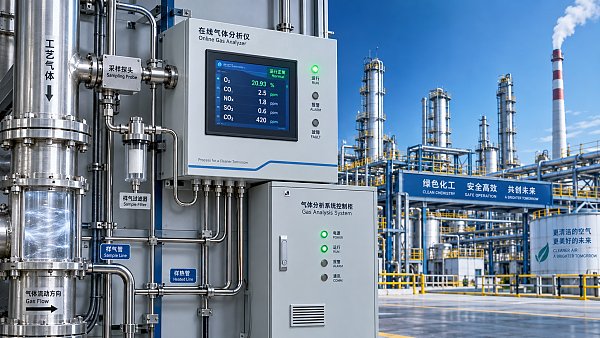
Analyzer shelters in these environments should also support sample conditioning systems, heat tracing, and maintenance access without exposing electronics to process hazards.
Power generation and substations
Electrical noise, heat, dust, and weather exposure are common. An industrial control shelter here should prioritize grounding, cable segregation, thermal control, and durable external finishes.
For remote substations, reduced maintenance demand is especially valuable. Long-life coatings, robust door hardware, and alarm integration can lower site visits and outage risk.
Water, wastewater, and environmental monitoring
Moisture, hydrogen sulfide, and condensation are common problems. Material compatibility, ventilation strategy, dehumidification, and sealed penetrations deserve careful review.
If the shelter houses online analyzers, leave enough space for reagent handling, drain routing, calibration routines, and safe chemical storage where allowed.
Mining, bulk handling, and heavy manufacturing
These sites often create vibration, abrasive dust, and impact risk. The industrial control shelter should support reinforced structures, dust-tight sealing, and equipment mounting designed for constant mechanical stress.
Serviceability matters because shutdown windows are short. Clear component access and replaceable filtration systems can reduce maintenance duration significantly.
Laboratories, pilot plants, and advanced automation facilities
These applications may need cleaner internal conditions, stable temperature control, and organized cable management. Instrument precision depends on controlled internal conditions as much as external protection.
When digital systems are involved, include network cabinets, cybersecurity hardware, and power quality devices in the shelter plan from the beginning.
Commonly overlooked risks when specifying an industrial control shelter
Underestimating solar load: Direct sun can raise internal temperature sharply, even when ambient conditions seem acceptable. Roof color, shading, insulation, and HVAC sizing should be evaluated together.
Ignoring condensation control: Dew point changes can damage terminals, boards, and analyzers. Heating, ventilation, insulation continuity, and vapor management all influence condensation risk.
Overlooking transport constraints: A well-designed industrial control shelter can still fail the project if road limits, crane access, or site lifting conditions are not reviewed early.
Insufficient service clearance: Doors, racks, and analyzer skids need practical maintenance space. Crowded layouts often increase downtime more than buyers expect during the operating phase.
Focusing only on initial price: Lower-cost options may require more coating repair, filter replacement, HVAC service, or emergency intervention over time.
Practical steps for evaluating options
- Create a site condition sheet listing temperature extremes, contaminants, utilities, hazardous classification, occupancy, and expected equipment heat load.
- Request detailed shelter drawings showing layout, cable entries, HVAC arrangement, structural details, and maintenance clearances before final approval.
- Ask for corrosion protection specifications, insulation type, sealing details, and expected service intervals for all critical shelter components.
- Review compliance documents for electrical safety, fire protection, hazardous area requirements, and any regional construction or transport rules.
- Compare multiple industrial control shelter options using a weighted matrix that includes reliability, safety, maintainability, expansion potential, and total ownership cost.
FAQ about industrial control shelter selection
What is the most important factor in a harsh environment?
There is rarely one factor. The best result comes from balancing environmental resistance, thermal control, safety compliance, and maintainability around the actual instrument load.
Should an industrial control shelter be oversized for future use?
Moderate spare capacity is usually wise. Future control cabinets, analyzers, or communication systems are common, but oversizing should not compromise HVAC efficiency or project cost.
How can lifecycle cost be reduced?
Choose durable materials, accessible layouts, reliable sealing, and properly sized HVAC. Those decisions often reduce downtime and maintenance more effectively than choosing the lowest bid.
Final considerations and next steps
An industrial control shelter is more than a protective enclosure. It is a working environment for automation, monitoring, measurement, and control systems that support critical industrial operations.
Start with a documented site profile, then verify materials, HVAC, compliance, structural design, layout, and service access in one coordinated review. That process improves equipment protection and long-term reliability.
When selection decisions are made with operating conditions in mind, the resulting industrial control shelter can deliver stronger uptime, safer maintenance, and better support for industrial digitalization and intelligent control.
Recommended for You
 When does process gas monitoring need continuous measurement?Process gas monitoring needs continuous measurement when rapid changes threaten safety, quality, compliance, or uptime. Learn how to specify reliable, actionable monitoring systems.
 How to prevent false alarms in power plant instrumentationPower plant instrumentation guide: prevent false alarms with reliable signal checks, smarter alarm settings, mode-based control, and actionable operator responses.
 How fixed gas detectors help prevent leaks in enclosed workspacesFixed gas detectors provide continuous leak monitoring in enclosed workspaces, enabling faster alarms, safer responses, and stronger protection for people and processes.
 How industrial gas analysis helps detect process contamination earlyIndustrial Gas Analysis helps detect oxygen, moisture, and hydrocarbon contamination early, enabling faster fault isolation, safer operations, and stronger process control.
 What drives environmental compliance continuous monitoring setup cost?Environmental compliance continuous monitoring setup cost: uncover hidden expenses, compare bids accurately, and build a reliable, audit-ready system.
 How to select gas analysis equipment for continuous emissions monitoringGas analysis equipment selection guide for reliable continuous emissions monitoring—compare technologies, sampling, calibration, compliance, and maintenance needs.
 What detection limit is needed for NH3 environmental monitoring?High accuracy NH3 analyzer for environmental monitoring: learn how to set the right detection limit, improve sampling reliability, and make defensible decisions.
 How to select a NOX analyzer for power plant emissions complianceNOX analyzer for power plant emissions: learn how to select a compliant, reliable CEMS solution with the right range, sample handling, calibration, and data integrity.
 How to evaluate a laser gas analyzer manufacturer in GermanyLaser gas analyzer manufacturer in Germany: compare accuracy, sample handling, interference control, calibration, and service to select a reliable solution.
 How does a flue gas analyzer maintain accuracy in wet stack gas?Flue gas analyzer accuracy in wet stack gas depends on heated sampling, moisture correction, reliable sensors, and calibration. Explore key selection tips.
 What makes equipment suitable for a hazardous environment?Hazardous Environment equipment selection explained: certification, ignition control, materials, installation, and maintenance for safer operations.
 How Can Fugitive Emission Monitoring Results Be Validated?How to validate fugitive emission monitoring results: learn calibration, field documentation, data-quality checks, and compliance comparisons for credible, decision-ready reports.
 Do Stack Testing Instruments Need Heated Sample Lines?Do stack testing instruments need heated sample lines? Learn when heating protects sample integrity, prevents condensation, and improves reliable emissions measurements.
 What Are the Risks of Using Low-Cost Electrochemical Gas Analyzers?What are the risks of using low-cost electrochemical gas analyzers? Explore calibration drift, cross-sensitivity, safety, and compliance concerns before you buy.
 How Long Does It Take to Integrate a Custom Emission Monitoring Solution?How long does it take to integrate a custom emission monitoring solution? Explore timelines, site readiness, data integration, and validation factors.
 Is Industrial Safety Monitoring the Same as Emission Monitoring?is industrial safety monitoring the same as emission monitoring? Learn the key differences in purpose, alarms, compliance, and instrument selection for safer operations.
 What Monthly Maintenance Does a Wireless Measurement Node Need?What maintenance does a wireless measurement node need monthly? Explore practical checks for battery health, signal quality, sensor accuracy, enclosures, and reliable data.
 Can Measurement and Control Systems Handle Corrosive Flue Gas?Can measurement and control systems handle corrosive flue gas? Discover proven design strategies for reliable sensing, sampling, materials, and maintenance.
 How Can Data Logging Instruments Pass an Environmental Audit?Learn how to ensure data logging instruments pass environmental audit with proven calibration, data integrity, alarm control, and traceable compliance records.
 What Are the Common Pitfalls of Integrating Multiple Gas Analyzers?What are common pitfalls when integrating multiple gas analyzers? Discover how sampling, timing, calibration, and data integration risks affect reliable decisions.
 Is Predictive Analytics for Emission Control Useful or Just Hype?Is predictive analytics useful for emission control or just hype? Discover how reliable data, CEMS, and practical pilots can reduce risk and support compliance.
 How to select a hydrogen analyzer for petrochemical process safetyHydrogen analyzer for petrochemical industry selection guide: compare technologies, sample systems, response time, and safety certifications for reliable process protection.
 When does a thermal conductivity detector outperform an FID?Thermal conductivity detector vs. FID: discover when TCD is the smarter choice for permanent gases, bulk analysis, non-destructive detection, and reliable GC method design.
 What certification should you verify before buying an IECEx analyzer?IECEx analyzer buyers: verify the Certificate of Conformity, Ex marking, special conditions, and exact configuration before purchase. Avoid costly compliance risks.
 How oxygen analysis helps prevent incomplete combustionOxygen analysis helps prevent incomplete combustion by optimizing air-to-fuel balance, reducing fuel waste, improving burner safety, and supporting emissions control.
 How to size an industrial gas system for stable peak demandIndustrial gas system sizing guide for stable peak demand. Learn how to assess flow, pressure drop, buffer storage, purity, redundancy, and commissioning for reliable production.
 How to choose a process sensor for high-temperature applicationsProcess sensor selection for high-temperature applications: compare thermal limits, materials, accuracy, installation, and maintenance to secure reliable control data.
 When does continuous analysis improve industrial process control?Continuous analysis improves industrial process control with timely composition data that supports faster decisions, higher quality, safer operations, and less waste.
 How to choose emission control systems for variable industrial loadsEmission Control solutions for variable industrial loads: learn how to match technology, controls, monitoring, and lifecycle costs for reliable compliance.
 How continuous emissions monitoring supports reliable emission reductionEmission Reduction relies on reliable continuous emissions monitoring. Discover how accurate data, calibration, and process insights support compliance and smarter control.
 When does it make sense to automate a production line?Production Line automation makes sense when processes are stable, measurable, and repeatable. Learn the key signals, risks, and ROI triggers before you invest.
 What accuracy should a monitoring device deliver in power quality applicationsMonitoring Device accuracy in power quality applications affects compliance, troubleshooting, and decision confidence. Learn what specs, standards, and installation factors truly matter.




Search Categories
Search Categories
- Smart Meters & Power Quality
- Transformer Gas Analyzers
- BESS Thermal Runaway Detectors
- Energy, Power & Smart Grid Monitoring
- Optical Profilers & CMM
- Ultrasonic & X-Ray NDT
- Calibration Standards
- Precision Metrology & NDT
- Water Quality Analyzers
- CEMS & VOCs Monitors
- Price Trends
- Import & Export Updates
- Market Trends
- Industry News
- Industry Insights
Latest Article
- When does process gas monitoring need continuous measurement?Process gas monitoring needs continuous measurement when rapid changes threaten safety, quality, compliance, or uptime. Learn how to specify reliable, actionable monitoring systems.Posted by:
- How to prevent false alarms in power plant instrumentationPower plant instrumentation guide: prevent false alarms with reliable signal checks, smarter alarm settings, mode-based control, and actionable operator responses.Posted by:
- How fixed gas detectors help prevent leaks in enclosed workspacesFixed gas detectors provide continuous leak monitoring in enclosed workspaces, enabling faster alarms, safer responses, and stronger protection for people and processes.Posted by:
Please give us a message
