
How to Choose an Oxygen Analyzer for Stable Process Control


Stable process control often depends on one deceptively simple question: how much oxygen is really present at the measurement point. In combustion systems, inerting lines, fermentation skids, heat treatment furnaces, emissions monitoring loops, and gas generation units, an oxygen analyzer is not just a reporting device. It shapes control decisions, safety margins, energy efficiency, and product consistency.
That is why selection cannot stop at datasheet comparisons. A technically sound choice connects sensing principle, installation method, operating environment, maintenance burden, and compliance needs. Across the broader instrumentation landscape tracked by Global Instrument Hub, oxygen measurement sits at the intersection of process automation, data quality, and procurement risk, making it a high-impact decision in both legacy plants and digitally upgraded operations.
Why oxygen measurement matters beyond a single reading
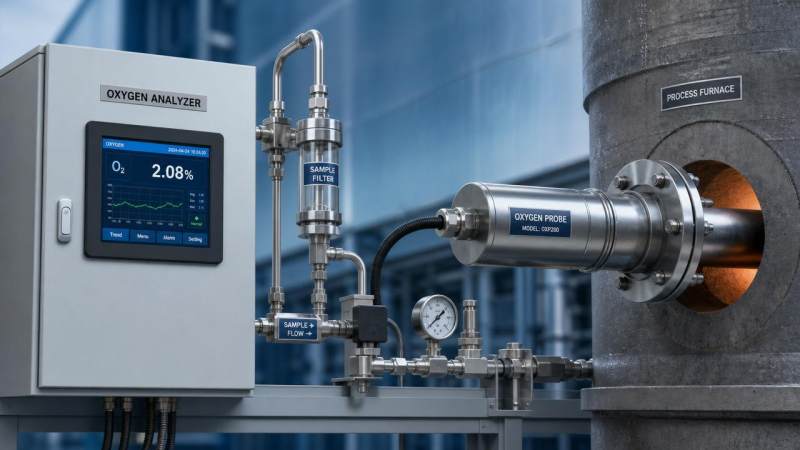
An oxygen analyzer supports far more than concentration display. It can protect against explosive conditions, maintain combustion efficiency, validate purge effectiveness, and reveal process drift before quality losses become visible elsewhere.
In many systems, oxygen becomes a leading indicator. A small deviation may signal air ingress, catalyst performance changes, burner imbalance, seal failure, or calibration drift in an upstream instrument chain.
This is especially relevant in Industry 4.0 environments. Better control logic depends on trustworthy data. If the oxygen analyzer is poorly matched to process conditions, advanced automation still receives weak input.
Start with the measurement objective, not the product category
A useful selection process begins with the role of the measurement inside the control strategy. Some applications need continuous trim control. Others need safety confirmation, emissions documentation, purity verification, or batch endpoint monitoring.
These goals create very different requirements. A trace oxygen analyzer for high-purity gas service is evaluated differently from an in situ zirconia oxygen analyzer used in a boiler exhaust duct.
Before shortlisting technologies, define the expected operating window, upset conditions, control consequence of bad data, and acceptable delay between process change and analyzer response.
Questions that clarify the real need
- Is oxygen being measured for safety, optimization, compliance, or product quality?
- What is the normal range and what are the critical alarm limits?
- How fast must the oxygen analyzer respond to be useful for control?
- Will the signal feed a PLC, DCS, burner management system, or historian?
- How much maintenance interruption is acceptable during normal operation?
Matching analyzer technology to process conditions
Most selection mistakes happen here. The best oxygen analyzer is rarely the one with the broadest specification sheet. It is the one whose sensing principle remains stable under real plant conditions.
Zirconia technology is widely used for combustion and flue gas applications because it offers fast response and suits high-temperature duty. Electrochemical sensors are often practical for portable, lower-cost, or lower-temperature applications. Paramagnetic analyzers are valued for precision in many clean gas measurements. Optical and tunable diode laser approaches may fit specialized paths where speed, non-contact measurement, or reduced sample conditioning is important.
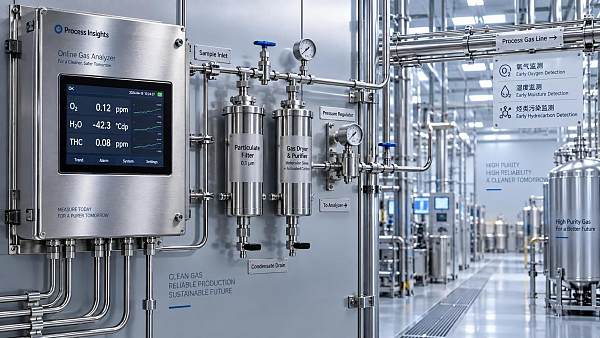
The process stream decides what survives. Temperature, pressure, moisture, dust loading, corrosive compounds, reducing gases, hydrocarbons, and sample transport distance all affect performance.
Installation design often decides long-term performance
A strong sensor can still fail in a weak installation. For many oxygen analyzer projects, the sampling approach matters as much as the analyzer itself.
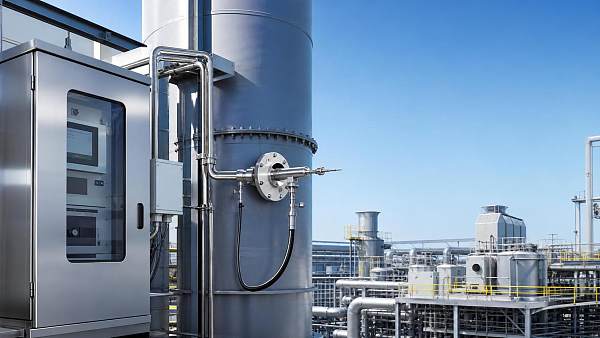
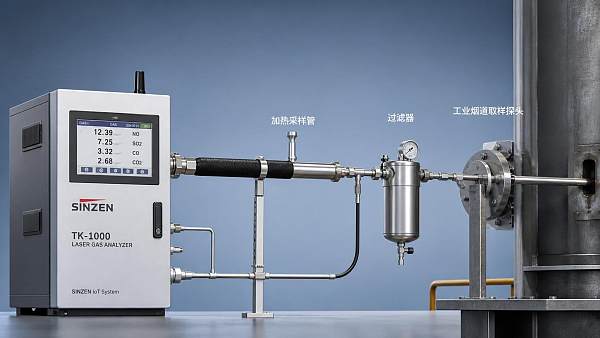
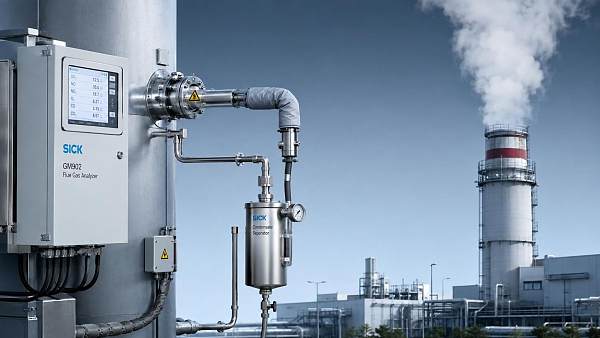
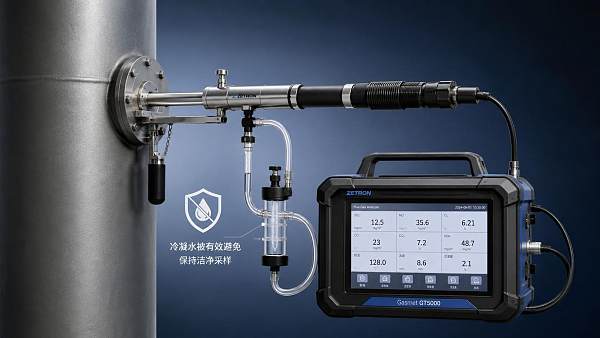
In situ systems reduce lag and avoid complex sample transport, but they face direct exposure to heat, dust, and corrosive compounds. Extractive systems provide cleaner measurement conditions, yet can introduce delay, condensation, line plugging, and sample integrity losses.
The choice should reflect process realities rather than preference. A control loop that needs fast combustion feedback may favor direct placement. A demanding analytical application may justify a carefully conditioned extractive train.
Installation factors that deserve early review
- Representative measurement point and flow profile
- Sample temperature, condensation risk, and particulate loading
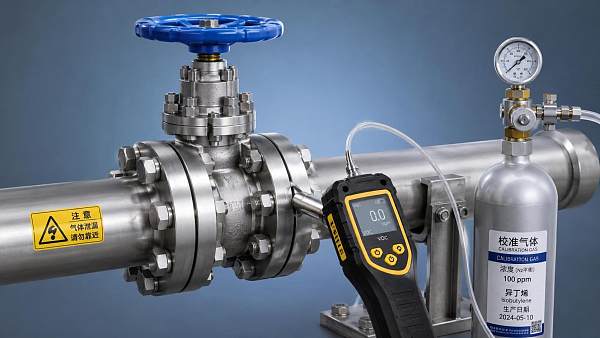
- Accessibility for calibration and sensor service
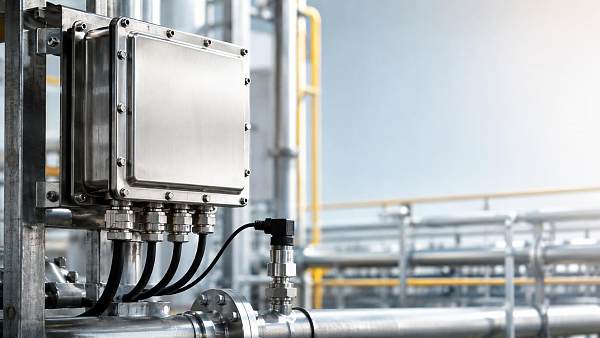
- Cable routing, signal integration, and enclosure rating
- Hazardous area classification and explosion-proof requirements
The specifications that matter most in real process control
Accuracy is important, but it is not enough on its own. A technically credible evaluation of an oxygen analyzer should balance several performance dimensions together.
Response time determines whether the signal can actually support closed-loop control. Repeatability matters when trend shifts are small. Drift determines how quickly trust erodes between calibrations. Rangeability affects whether one analyzer can handle startup, normal operation, and upset states without losing useful resolution.
It is also wise to examine diagnostics. Modern analyzers may offer sensor health indicators, calibration reminders, fault codes, digital communications, and remote asset visibility. These features become more valuable as plants connect more instruments into centralized monitoring platforms.
From an instrumentation intelligence perspective, this is where data quality and maintenance strategy begin to merge. Better diagnostics reduce blind operation and help turn oxygen measurement into a more manageable lifecycle asset.
Compliance, calibration, and reliability are part of selection
For critical service, the oxygen analyzer should be reviewed against more than process fit. Calibration philosophy, documentation quality, and regulatory alignment need equal attention.
In emissions, environmental, pharmaceutical, energy, or hazardous-area applications, requirements may include traceable calibration practices, ATEX or IECEx certification, cleanability expectations, and proof that long-term operation remains within stated uncertainty.
Supplier credibility also matters. A lower initial price can become expensive if spare parts are inconsistent, field support is weak, or calibration procedures are unclear. This is one reason decision-makers increasingly rely on deeper supplier intelligence, not only catalog listings.
GIH’s broader industry lens is useful here because oxygen analysis is rarely an isolated purchase. It sits inside a larger control architecture that may include transmitters, valves, DCS integration, emissions reporting, and quality assurance workflows.
Where application context changes the right answer
The same oxygen analyzer selection logic does not apply equally across sectors. Process context shapes acceptable tradeoffs.
Typical application differences
- Combustion control prioritizes speed, durability, and reliable trim performance.
- Inert gas blanketing emphasizes low-level accuracy and confidence near safety thresholds.
- High-purity gas service demands trace oxygen capability and strong sample integrity.
- Environmental systems focus on documentation, uptime, and auditable calibration routines.
- Life science or laboratory-linked processes may value cleanliness, validation support, and stable low-drift operation.
This is why selection should follow use case first, then technology, then commercial comparison. Reversing that order often leads to overbuying, underperforming, or maintaining the wrong platform for years.
A practical evaluation framework for shortlisting options
A structured review helps separate attractive marketing language from dependable field performance. When comparing an oxygen analyzer across suppliers, a weighted checklist is usually more useful than a simple pass-fail table.
- Map the process condition envelope, including startup and upset conditions.
- Confirm the sensing principle is suitable for actual gas composition.
- Review installation design, sample handling, and maintenance access together.
- Check drift, calibration intervals, diagnostics, and spare part availability.
- Verify certifications, integration options, and field support capability.
- Compare lifecycle cost, not only purchase price.
A stable process rarely depends on one specification headline. It depends on whether the oxygen analyzer keeps delivering reliable data when the process becomes less than ideal.
What to do next before making a final choice
The most effective next step is to turn internal assumptions into a clear evaluation brief. Document the process objective, oxygen range, environmental conditions, control response needs, calibration expectations, and compliance constraints.
Then compare shortlisted oxygen analyzer options against that brief, not against generic product claims. If uncertainty remains, request application-specific references, sample system drawings, and expected maintenance intervals under similar service conditions.
For organizations managing broader automation upgrades, it also makes sense to assess how oxygen measurement fits into the full instrumentation strategy. The strongest decision is usually the one that improves process stability today while supporting better data integrity, service planning, and system integration tomorrow.
Recommended for You
 When does process gas monitoring need continuous measurement?Process gas monitoring needs continuous measurement when rapid changes threaten safety, quality, compliance, or uptime. Learn how to specify reliable, actionable monitoring systems.
 How to prevent false alarms in power plant instrumentationPower plant instrumentation guide: prevent false alarms with reliable signal checks, smarter alarm settings, mode-based control, and actionable operator responses.
 How fixed gas detectors help prevent leaks in enclosed workspacesFixed gas detectors provide continuous leak monitoring in enclosed workspaces, enabling faster alarms, safer responses, and stronger protection for people and processes.
 How industrial gas analysis helps detect process contamination earlyIndustrial Gas Analysis helps detect oxygen, moisture, and hydrocarbon contamination early, enabling faster fault isolation, safer operations, and stronger process control.
 What drives environmental compliance continuous monitoring setup cost?Environmental compliance continuous monitoring setup cost: uncover hidden expenses, compare bids accurately, and build a reliable, audit-ready system.
 How to select gas analysis equipment for continuous emissions monitoringGas analysis equipment selection guide for reliable continuous emissions monitoring—compare technologies, sampling, calibration, compliance, and maintenance needs.
 What detection limit is needed for NH3 environmental monitoring?High accuracy NH3 analyzer for environmental monitoring: learn how to set the right detection limit, improve sampling reliability, and make defensible decisions.
 How to select a NOX analyzer for power plant emissions complianceNOX analyzer for power plant emissions: learn how to select a compliant, reliable CEMS solution with the right range, sample handling, calibration, and data integrity.
 How to evaluate a laser gas analyzer manufacturer in GermanyLaser gas analyzer manufacturer in Germany: compare accuracy, sample handling, interference control, calibration, and service to select a reliable solution.
 How does a flue gas analyzer maintain accuracy in wet stack gas?Flue gas analyzer accuracy in wet stack gas depends on heated sampling, moisture correction, reliable sensors, and calibration. Explore key selection tips.
 What makes equipment suitable for a hazardous environment?Hazardous Environment equipment selection explained: certification, ignition control, materials, installation, and maintenance for safer operations.
 How Can Fugitive Emission Monitoring Results Be Validated?How to validate fugitive emission monitoring results: learn calibration, field documentation, data-quality checks, and compliance comparisons for credible, decision-ready reports.
 Do Stack Testing Instruments Need Heated Sample Lines?Do stack testing instruments need heated sample lines? Learn when heating protects sample integrity, prevents condensation, and improves reliable emissions measurements.
 What Are the Risks of Using Low-Cost Electrochemical Gas Analyzers?What are the risks of using low-cost electrochemical gas analyzers? Explore calibration drift, cross-sensitivity, safety, and compliance concerns before you buy.
 How Long Does It Take to Integrate a Custom Emission Monitoring Solution?How long does it take to integrate a custom emission monitoring solution? Explore timelines, site readiness, data integration, and validation factors.
 Is Industrial Safety Monitoring the Same as Emission Monitoring?is industrial safety monitoring the same as emission monitoring? Learn the key differences in purpose, alarms, compliance, and instrument selection for safer operations.
 What Monthly Maintenance Does a Wireless Measurement Node Need?What maintenance does a wireless measurement node need monthly? Explore practical checks for battery health, signal quality, sensor accuracy, enclosures, and reliable data.
 Can Measurement and Control Systems Handle Corrosive Flue Gas?Can measurement and control systems handle corrosive flue gas? Discover proven design strategies for reliable sensing, sampling, materials, and maintenance.
 How Can Data Logging Instruments Pass an Environmental Audit?Learn how to ensure data logging instruments pass environmental audit with proven calibration, data integrity, alarm control, and traceable compliance records.
 What Are the Common Pitfalls of Integrating Multiple Gas Analyzers?What are common pitfalls when integrating multiple gas analyzers? Discover how sampling, timing, calibration, and data integration risks affect reliable decisions.
 Is Predictive Analytics for Emission Control Useful or Just Hype?Is predictive analytics useful for emission control or just hype? Discover how reliable data, CEMS, and practical pilots can reduce risk and support compliance.
 How to select a hydrogen analyzer for petrochemical process safetyHydrogen analyzer for petrochemical industry selection guide: compare technologies, sample systems, response time, and safety certifications for reliable process protection.
 When does a thermal conductivity detector outperform an FID?Thermal conductivity detector vs. FID: discover when TCD is the smarter choice for permanent gases, bulk analysis, non-destructive detection, and reliable GC method design.
 What certification should you verify before buying an IECEx analyzer?IECEx analyzer buyers: verify the Certificate of Conformity, Ex marking, special conditions, and exact configuration before purchase. Avoid costly compliance risks.
 How oxygen analysis helps prevent incomplete combustionOxygen analysis helps prevent incomplete combustion by optimizing air-to-fuel balance, reducing fuel waste, improving burner safety, and supporting emissions control.
 How to size an industrial gas system for stable peak demandIndustrial gas system sizing guide for stable peak demand. Learn how to assess flow, pressure drop, buffer storage, purity, redundancy, and commissioning for reliable production.
 How to choose a process sensor for high-temperature applicationsProcess sensor selection for high-temperature applications: compare thermal limits, materials, accuracy, installation, and maintenance to secure reliable control data.
 When does continuous analysis improve industrial process control?Continuous analysis improves industrial process control with timely composition data that supports faster decisions, higher quality, safer operations, and less waste.
 How to choose emission control systems for variable industrial loadsEmission Control solutions for variable industrial loads: learn how to match technology, controls, monitoring, and lifecycle costs for reliable compliance.
 How continuous emissions monitoring supports reliable emission reductionEmission Reduction relies on reliable continuous emissions monitoring. Discover how accurate data, calibration, and process insights support compliance and smarter control.
 When does it make sense to automate a production line?Production Line automation makes sense when processes are stable, measurable, and repeatable. Learn the key signals, risks, and ROI triggers before you invest.
 What accuracy should a monitoring device deliver in power quality applicationsMonitoring Device accuracy in power quality applications affects compliance, troubleshooting, and decision confidence. Learn what specs, standards, and installation factors truly matter.




Search Categories
Search Categories
- Smart Meters & Power Quality
- Transformer Gas Analyzers
- BESS Thermal Runaway Detectors
- Energy, Power & Smart Grid Monitoring
- Optical Profilers & CMM
- Ultrasonic & X-Ray NDT
- Calibration Standards
- Precision Metrology & NDT
- Water Quality Analyzers
- CEMS & VOCs Monitors
- Price Trends
- Import & Export Updates
- Market Trends
- Industry News
- Industry Insights
Latest Article
- When does process gas monitoring need continuous measurement?Process gas monitoring needs continuous measurement when rapid changes threaten safety, quality, compliance, or uptime. Learn how to specify reliable, actionable monitoring systems.Posted by:
- How to prevent false alarms in power plant instrumentationPower plant instrumentation guide: prevent false alarms with reliable signal checks, smarter alarm settings, mode-based control, and actionable operator responses.Posted by:
- How fixed gas detectors help prevent leaks in enclosed workspacesFixed gas detectors provide continuous leak monitoring in enclosed workspaces, enabling faster alarms, safer responses, and stronger protection for people and processes.Posted by:
Please give us a message
